Lower back pain is one of the most common reasons people seek medical care. A lumbar belt is often recommended for temporary support, but many patients ask the same question: Will wearing a lumbar belt weaken my back?
The short answer is no, not when it is used appropriately. A lumbar belt does not automatically weaken your back muscles. However, relying on it for long periods without staying active or performing strengthening exercises may reduce overall muscle conditioning over time. The key is knowing when to use it, how long to wear it, and when to transition back to normal movement and rehabilitation.
A Lumbar Belt Is a Support Tool, Not a Treatment

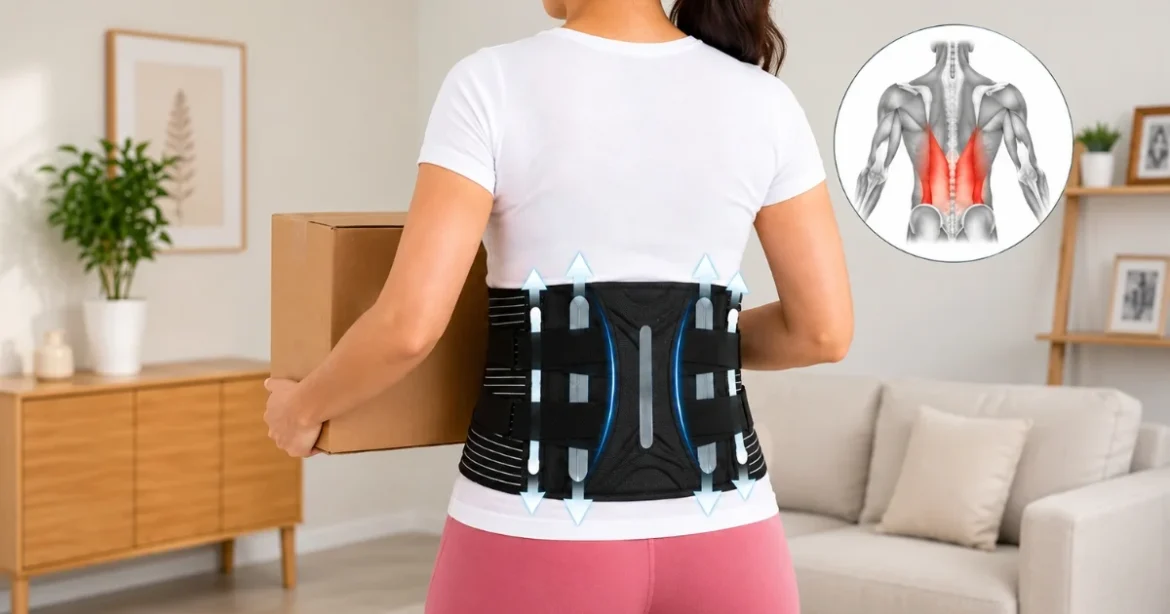
A lumbar belt is designed to provide temporary support to the lower back during activities that increase strain on the spine. It can help reduce painful movement, improve comfort during daily activities, and remind people to maintain better posture.
A lumbar belt does not repair a slipped disc, reverse arthritis, or permanently fix the cause of back pain. Instead, it should be viewed as one part of a comprehensive treatment plan that may include exercise, physiotherapy, activity modification, and medical evaluation.
Why People Think Lumbar Belts Weaken Back Muscles
This concern usually comes from the idea that external support makes the muscles “lazy.”
Current evidence does not show that short term use of a lumbar belt, when recommended for an appropriate reason, inevitably causes muscle weakness. In many situations, patients continue to use their core and back muscles while wearing the belt.
The concern becomes more relevant when someone wears a lumbar belt every day for extended periods, avoids exercise, and depends on the belt instead of improving strength and mobility. In these situations, reduced physical activity rather than the belt itself may contribute to decreased muscle conditioning.
Situations Where a Lumbar Belt May Be Helpful
A spine specialist may recommend a lumbar belt for selected patients, including those with:
- Acute lower back muscle strain
- Certain cases of slipped disc
- Pain during prolonged travel
- Recovery after specific spine procedures, when advised
- Temporary support during physically demanding work
- Short-term pain relief while beginning rehabilitation
The recommendation depends on the underlying diagnosis, symptoms, and individual needs.
When a Lumbar Belt May Not Be the Right Choice
A lumbar belt should not replace a proper medical assessment. Persistent or severe back pain requires evaluation to identify the underlying cause.
It may not be appropriate as a long-term solution for:
- Chronic lower back pain without a diagnosis
- Ongoing dependence without rehabilitation
- Self-treatment of persistent symptoms
- Ignoring warning signs such as leg weakness, bowel or bladder changes, or severe numbness
These situations require medical attention rather than continued use of a support belt.
Myths vs Facts
| Myth | Fact |
| Wearing a lumbar belt always weakens your back muscles. | Current evidence does not show that appropriate short term use inevitably weakens the muscles. Long term inactivity and lack of exercise are more important factors. |
| A lumbar belt can cure back pain. | A lumbar belt may help relieve symptoms temporarily, but it does not treat the underlying cause of back pain. |
| You should wear a lumbar belt all day. | Most people only need it for selected activities or for a limited period, depending on the diagnosis and medical advice. |
| A lumbar belt can replace exercise. | Exercise and rehabilitation remain important for improving strength, mobility, and long term spine health. |
| Everyone with lower back pain should wear a lumbar belt. | The decision depends on the diagnosis, symptoms, and individual circumstances. Not every patient benefits from one. |
Exercise Still Plays the Biggest Role

The long term health of your spine depends more on movement than on external support.
A structured exercise program helps improve:
- Core muscle strength
- Spinal stability
- Flexibility
- Balance
- Functional movement
- Recovery from many common spine conditions
For many patients, exercise remains one of the most effective ways to improve long term outcomes and reduce future episodes of back pain.
Common Mistakes to Avoid
Many people unintentionally reduce the benefits of a lumbar belt by using it incorrectly.
Common mistakes include:
- Wearing the belt throughout the entire day without medical advice
- Tightening it excessively
- Using it instead of exercising
- Buying the wrong size
- Continuing to wear it after symptoms improve without reassessment
Using the belt correctly is just as important as deciding whether it is needed in the first place.
Choosing the Right Approach for Your Back Pain
Not every type of back pain should be treated in the same way. A muscle strain, slipped disc, spinal stenosis, and lumbar spondylosis each require different treatment strategies.
A careful clinical assessment helps determine whether a lumbar belt is appropriate, how long it should be used, and which rehabilitation plan offers the best chance of recovery.
In my clinical practice, I often explain that a lumbar belt should be used as a temporary support rather than a permanent solution. At Zen Spine, every treatment plan begins with identifying the exact cause of back pain before recommending any support device. A lumbar belt can provide temporary relief for selected individuals, but lasting improvement usually comes from accurate diagnosis, guided rehabilitation, and maintaining an active lifestyle.
When Should You Consult a Spine Specialist?
If your back pain lasts for several weeks, keeps returning, becomes more severe, or starts spreading into your legs with numbness or weakness, it is important to seek medical advice. Dr. Rakesh Dhake, a spine specialist in Mumbai, believes that early diagnosis often helps patients receive the right treatment before symptoms begin affecting their daily activities. Every patient requires an individualized treatment plan based on the underlying cause of their pain rather than a one size fits all approach.
A Final Word for Your Spine Health
A lumbar belt should be viewed as a temporary aid rather than a permanent solution. When used for the right reasons and for an appropriate duration, it can help reduce discomfort and support recovery without automatically weakening your back. Long-term spine health depends on understanding the underlying condition, staying physically active, strengthening the supporting muscles, and following a treatment plan that is tailored to your needs. If your back pain continues, worsens, or begins to affect your daily activities, consulting a qualified spine specialist can help you choose the safest and most effective path toward recovery.
Frequently Asked Questions
Q1. Does wearing a lumbar belt weaken your back muscles?
Answer: Current evidence does not suggest that appropriate short-term use of a lumbar belt automatically weakens back muscles. Problems are more likely to arise when the belt is used as a substitute for regular movement, strengthening exercises, and proper rehabilitation.
Q2. How long should I wear a lumbar support belt?
Answer: The duration depends on the reason it was prescribed. In many cases, lumbar belts are intended for temporary use during painful activities or the early stages of recovery. Your treating doctor can advise when it is appropriate to reduce or stop using the belt.
Q3. Can a lumbar belt help with a slipped disc?
Answer: A lumbar belt may provide temporary comfort for some people with a slipped disc by reducing painful movement. However, it does not treat the underlying disc problem. Treatment should be based on a proper diagnosis and may include exercise, physiotherapy, medications, or other interventions.
Q4. Should I sleep while wearing a lumbar belt?
Answer: Most people do not need to wear a lumbar belt while sleeping unless they have been specifically advised to do so by their treating doctor. Sleeping without the belt generally allows normal movement and comfort during rest.
Q5. When should I see a spine specialist for back pain?
Answer: Seek medical evaluation if your back pain lasts for several weeks, keeps returning, becomes severe, spreads into the legs, or is associated with numbness, weakness, or bowel or bladder symptoms. Early assessment helps identify the cause and guides appropriate treatment.