Spine Deformity Treatment in Mumbai
“Our aim is to help you achieve a balanced and healthy spine”
What Is a Spine Deformity?
A spine deformity refers to an abnormal curvature or alignment of the spine. While the spine naturally has gentle curves that help maintain balance and movement, excessive or abnormal curves can affect posture, comfort and daily activities.
Some spinal deformities develop during childhood, while others appear later in life due to age-related changes, injuries or underlying medical conditions. Early assessment can help determine the cause and guide the most appropriate treatment.
At Zen spine, Dr Rakesh Dhake evaluates each patient’s condition carefully and develops an individual treatment plan based on age, symptoms and the severity of the spinal curvature.
Types of Spine Deformities

Scoliosis
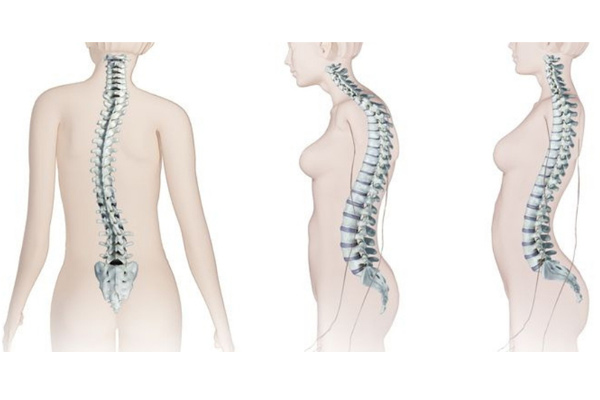
Scoliosis is a condition in which the spine curves sideways, often forming an “S” or “C” shape. It can occur in children, adolescents and adults. Some people have mild curves that require observation, while others may develop back pain, postural imbalance or progression of the curvature over time. In adults, scoliosis can also occur because of degeneration of the spine. Early diagnosis and regular monitoring are important, particularly during growth years.
Kyphosis
Kyphosis refers to an excessive forward curve of the upper spine, resulting in a rounded or hunched appearance of the back. Mild kyphosis may cause few symptoms, while more significant curves can lead to back pain, fatigue and difficulty maintaining an upright posture. The condition may develop due to poor posture, congenital abnormalities, fractures or age-related degeneration.
Lordosis
Lordosis is an exaggerated inward curve of the lower back. Some degree of curvature is normal, but excessive lordosis can place additional strain on the spine and surrounding muscles. Patients may experience lower back discomfort, muscle fatigue or postural imbalance. The condition can be associated with obesity, muscle weakness, developmental issues or certain spinal conditions.
Neuromuscular Spine Deformities
Neuromuscular spine deformities occur in individuals with conditions affecting the nerves or muscles. These deformities may progress as muscle control and balance become impaired. Management often requires careful assessment and long-term follow-up to maintain spinal alignment and function.
Symptoms of Spine Deformity
The symptoms of a spinal deformity can vary depending on the type and severity of the condition.
- Uneven shoulders or hips
- A visible curve in the spine
- Persistent back pain
- Rounded or stooped posture
- Difficulty standing upright
- Fatigue during daily activities
- Numbness or weakness in the legs
- Changes in walking pattern or balance
Some spinal deformities cause very few symptoms in the early stages, which is why medical assessment is important if changes in posture or spinal alignment become noticeable.
What Causes Spine Deformities?
Spine deformities can develop for various reasons.
Some individuals are born with spinal abnormalities that affect the alignment of the vertebrae. Others may develop spinal deformities during periods of growth, while certain conditions appear later in life because of degeneration of the spine.
Common causes include:
- Congenital spinal abnormalities
- Degenerative changes associated with ageing
- Trauma and spinal injuries
- Neuromuscular conditions
- Osteoporotic fractures
- Unknown causes, particularly in adolescent scoliosis
Understanding the underlying cause is important because it helps determine the most suitable treatment approach.
How Are Spine Deformities Diagnosed?
A detailed assessment is essential to understand the type and severity of the spinal deformity.
The evaluation usually begins with a discussion about symptoms, medical history and any changes in posture or physical function. A physical examination helps assess spinal alignment, balance and mobility.
Imaging studies may include:
- Standing X-rays to measure spinal curvature
- MRI scans to evaluate nerves and surrounding structures
- CT scans when additional information is required
The degree of curvature, overall spinal balance and the impact on daily activities all help guide treatment decisions.
At Zen spine, Dr Rakesh Dhake performs a thorough evaluation to understand each patient’s condition and discuss appropriate treatment options.
Spine Deformity Treatment in Mumbai
The most suitable treatment depends on the type of spinal deformity, its severity and the symptoms it causes. Many patients can be managed without surgery, while others may require surgical correction to improve alignment and function.
Non-Surgical Treatment
Non-surgical treatment may be appropriate for patients with mild or moderate spinal deformities or those whose symptoms can be managed conservatively.
Treatment options may include:
- Regular monitoring and observation
- Physiotherapy and exercise programmes
- Pain management strategies
- Bracing in selected patients
The aim of treatment is to reduce symptoms, improve function and monitor any progression of the spinal curvature.
Surgical Treatment
Surgery may be considered when the spinal curve progresses, causes significant symptoms or affects daily activities.
Depending on the individual condition, treatment may involve:
- Spinal deformity correction surgery
- Spinal fusion procedures
- Minimally invasive techniques where appropriate
- Procedures designed to restore spinal alignment and stability
At Zen spine, Dr Rakesh Dhake discusses the benefits, risks and expected outcomes of treatment so that patients can make informed decisions about their care.
Why Consult Dr Rakesh Dhake for Spine Deformity Treatment in Mumbai?
Dr Rakesh Dhake is a spine specialist in Mumbai who evaluates and treats a wide range of spinal conditions, including scoliosis, kyphosis and other spinal deformities in both adults and children.
At Zenspine, treatment plans are developed according to the individual’s symptoms, spinal alignment, age and lifestyle requirements.
Patients receive:
- Detailed clinical assessment
- Evaluation using appropriate imaging studies
- Non-surgical and surgical treatment options where indicated
- Individualised treatment planning
- Ongoing follow-up and monitoring
The goal is to help patients understand their condition and receive treatment that is appropriate for their specific needs.
Frequently Asked Questions (FAQ)
Q1. What is a spine deformity?
Answer: A spine deformity is an abnormal curvature or alignment of the spine. Common types include scoliosis, kyphosis and lordosis. These conditions can affect posture, movement and, in some cases, cause pain or nerve-related symptoms.
Q2. What are the symptoms of scoliosis?
Answer: Symptoms of scoliosis may include uneven shoulders, an abnormal spinal curve, changes in posture, back pain and fatigue. Some patients experience very few symptoms, especially during the early stages of the condition.
Q3. Can spine deformities be treated without surgery?
Answer: Yes. Many spinal deformities can be managed with observation, physiotherapy, exercises and pain management. Treatment depends on the type of spinal curvature, its severity and whether the condition is progressing.
Q4. Is scoliosis surgery always necessary?
Answer: No. Surgery is not required for every patient with scoliosis. It may be considered when the curve becomes severe, continues to progress or causes significant symptoms that affect daily activities and quality of life.
Q5. What causes kyphosis?
Answer: Kyphosis can occur due to poor posture, congenital conditions, degenerative changes, osteoporosis or spinal fractures. The severity of symptoms varies from person to person, and treatment is planned accordingly.
Book an Appointment for Spine Deformity Treatment
If you are experiencing persistent back pain, changes in posture or concerns about spinal curvature, an assessment can help determine the cause and discuss appropriate treatment options.
Schedule Your Spine Consultation with Dr Rakesh Dhake at ZenSpine, Mumbai
Contact Details
Zen Spine Clinics Are Located In Mumbai At Following Locations:


Spine Specialists & Pain Treatment in Mumbai
© 2026 – Zen Spine. All rights reserved.
Designed by Site Invention
© 2023 – Zen Spine. All rights reserved. Designed by Site Invention
Book An Appointment