Many people expect to feel completely recovered within a few months of spine surgery. While pain often improves, it is not unusual to notice ongoing tightness or stiffness in your back during the healing process. This can be worrying, especially if you thought recovery would be finished by now.
If you’re wondering, “Why Does My Back Feel Tight Months After Spine Surgery?”, the answer is that several normal healing changes can contribute to this feeling. However, persistent, worsening, or new symptoms should always be assessed by a spine specialist to rule out complications and ensure your recovery is progressing as expected.
Is It Normal to Feel Tight Months After Spine Surgery?
Yes. Mild to moderate back tightness can be a normal part of recovery for several months after spine surgery. Healing involves muscles, ligaments, nerves and connective tissue, all of which recover at different rates. Many patients notice gradual improvement over time rather than an immediate return to normal.
When patients describe “tightness”, they often mean a feeling of stiffness, reduced flexibility, pulling around the surgical area or difficulty moving freely. This sensation is different from severe pain and usually improves with appropriate rehabilitation.
Several factors contribute to back tightness after spine surgery, including:
- Healing muscles and soft tissues
- Scar tissue formation
- Temporary inflammation
- Reduced range of movement
- Muscle weakness after a period of limited activity
- Ongoing nerve recovery
Recovery also varies depending on the type of procedure. Spinal fusion recovery often takes longer than microdiscectomy recovery or laminectomy recovery, while neck surgery recovery and lumbar spine surgery recovery each follow their own timelines.
Common Reasons Your Back Still Feels Tight

Muscle Stiffness After Surgery
During surgery, muscles are gently moved or separated to reach the spine. Although they heal well, they often become stiff afterwards. Reduced activity during the early weeks of recovery can also contribute to muscle tightness after back surgery.
Gentle movement and a structured exercise programme usually help restore flexibility and mobility.
Scar Tissue Formation
Scar tissue is a normal part of the body’s healing process. As scar tissue after spine surgery develops, some patients notice a pulling or tight sensation around the incision or deeper tissues.
In most cases, scar formation softens over time as healing continues and normal movement is gradually restored.
Reduced Movement During Recovery
After surgery, it is natural to avoid movements that feel uncomfortable. However, prolonged inactivity can reduce flexibility, weaken spinal muscles and limit your range of movement.
Following your rehabilitation programme helps prevent excessive stiffness while supporting safe healing.
Weak Core and Back Muscles
Your core and back muscles provide stability for the spine. After surgery, these muscles may become weaker because of reduced activity before and after the procedure.
Strengthening exercises prescribed by a physiotherapist improve muscle support, posture and functional recovery, reducing long-term stiffness.
Nerve Healing
Nerves heal much more slowly than muscles or skin. Even when surgery successfully relieves pressure on a nerve, recovery can continue for several months.
During this period, you may notice occasional tightness, altered sensations or mild discomfort as nerve recovery progresses.
Posture Changes
Many patients unconsciously change the way they stand, walk or sit after surgery to avoid discomfort. These altered movement patterns can place extra strain on surrounding muscles, leading to persistent stiffness.
Improving posture and gradually returning to normal daily activities often helps reduce muscle tension.
Anxiety and Muscle Guarding
It is understandable to feel cautious after spine surgery. Sometimes, anxiety about moving can cause muscles to remain tense, a response known as muscle guarding.
Building confidence through guided rehabilitation and understanding what movements are safe can help these muscles relax over time.
When Should You Be Concerned?
Some stiffness is expected, but certain symptoms require prompt medical assessment. Contact your surgeon or seek urgent medical attention if you experience:
- Worsening or severe back pain
- Fever or chills
- New leg weakness or difficulty walking
- Increasing numbness or tingling
- Loss of bladder or bowel control
- Redness, swelling, drainage or opening of the surgical wound
These symptoms may indicate complications that should not be ignored.
How Can You Reduce Back Tightness?
Most patients improve steadily with appropriate post-operative spine care and spine surgery rehabilitation. Small, consistent steps often make the biggest difference.
Helpful strategies include:
- Attend physiotherapy after spine surgery as recommended.
- Walk regularly within your surgeon’s advised limits.
- Perform gentle stretching and strengthening exercises.
- Maintain good posture during sitting, standing and walking.
- Stay well hydrated and eat a balanced diet to support healing.
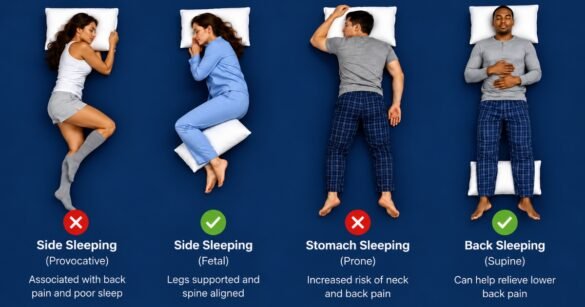
- Prioritise good-quality sleep and recovery.
- Follow your surgeon’s activity restrictions and rehabilitation plan.
Avoid returning to strenuous exercise or heavy lifting before receiving medical clearance.
Recovery Timeline After Spine Surgery
| Time After Surgery | What You May Experience | What Is Usually Normal |
| 0–6 weeks | Pain, stiffness, reduced mobility | Early healing and gradual increase in activity |
| 6 weeks–3 months | Improving movement, muscle weakness, occasional tightness | Beginning rehabilitation and increasing strength |
| 3–6 months | Better flexibility with intermittent stiffness | Ongoing muscle and nerve recovery |
| 6–12 months | Continued functional recovery | Mild tightness may still improve, especially after spinal fusion |
Your Recovery Journey Continues
Feeling tight several months after spine surgery can be frustrating, but it is often a normal part of the healing process. Muscle recovery, scar tissue, reduced flexibility and nerve healing can all contribute to ongoing stiffness, even when surgery has been successful.
The key is to continue with your rehabilitation, stay active within your recommended limits and monitor your symptoms. If your back tightness is worsening or accompanied by warning signs such as weakness, fever or bladder and bowel changes, seek medical advice promptly.
If you have concerns about your recovery after spine surgery, consulting an experienced spine specialist such as Dr. Rakesh Dhake at Zen Spine can help determine whether your healing is progressing normally and whether any additional treatment or rehabilitation is needed.
Frequently Asked Questions
Q1. Why is my back still tight six months after surgery?
Answer: Yes, this can be normal. Healing of muscles, connective tissue and nerves often continues for six months or longer, particularly after spinal fusion. If the tightness is gradually improving and there are no red flag symptoms, it is usually part of the normal recovery process.
Q2. Can scar tissue cause tightness?
Answer: Yes. Scar tissue naturally forms as the body heals after surgery. It may create a sensation of pulling or stiffness around the surgical area. Regular movement and physiotherapy often help improve flexibility as healing progresses.
Q3. Is walking good after spine surgery?
Answer: Yes. Walking is one of the safest and most effective activities during recovery after spine surgery. It improves circulation, supports mobility, reduces muscle stiffness and helps rebuild endurance without placing excessive stress on the spine.
Q4. When should I contact my surgeon?
Answer: Contact your surgeon if your symptoms worsen instead of improving, if you develop fever, increasing weakness, numbness, bladder or bowel problems, or if your wound becomes red, swollen or starts draining. Early assessment can identify and treat complications promptly.
Q5. Does physiotherapy help?
Answer: Yes. Physiotherapy after spine surgery plays an important role in improving flexibility, rebuilding core strength, restoring normal movement patterns and reducing persistent stiffness. A personalised rehabilitation programme is usually more effective than trying exercises independently.
Q6. Can nerves take months to heal?
Answer: Yes. Nerves recover much more slowly than muscles and skin. Depending on the severity of nerve compression before surgery, healing may continue for several months or even longer. Gradual improvement is common, although every patient’s recovery is different.