
Burning pain in the thigh or leg may sometimes originate from the lower spine, even when there is no noticeable back pain. Nerves emerging from the lower spine carry sensory signals from different areas of the legs. When a nerve root becomes irritated or compressed, it can cause burning sensations, tingling, numbness or shooting pain along the affected nerve pathway. However, similar symptoms can also result from peripheral nerve problems or other medical conditions, making proper diagnosis important.
Can a Spine Problem Cause Burning Pain in the Leg?
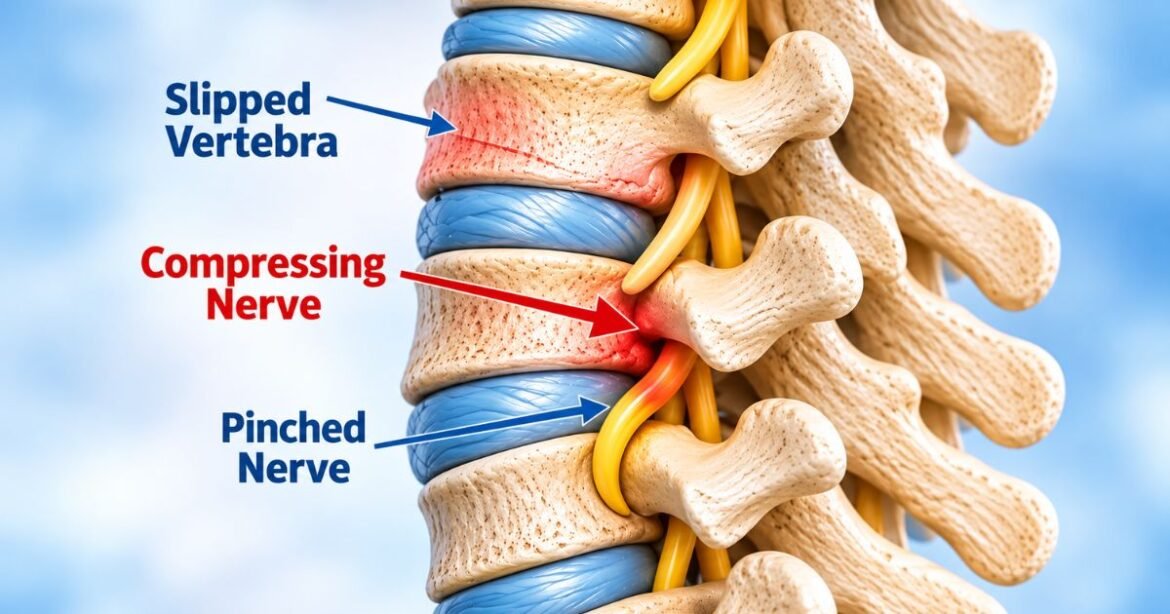
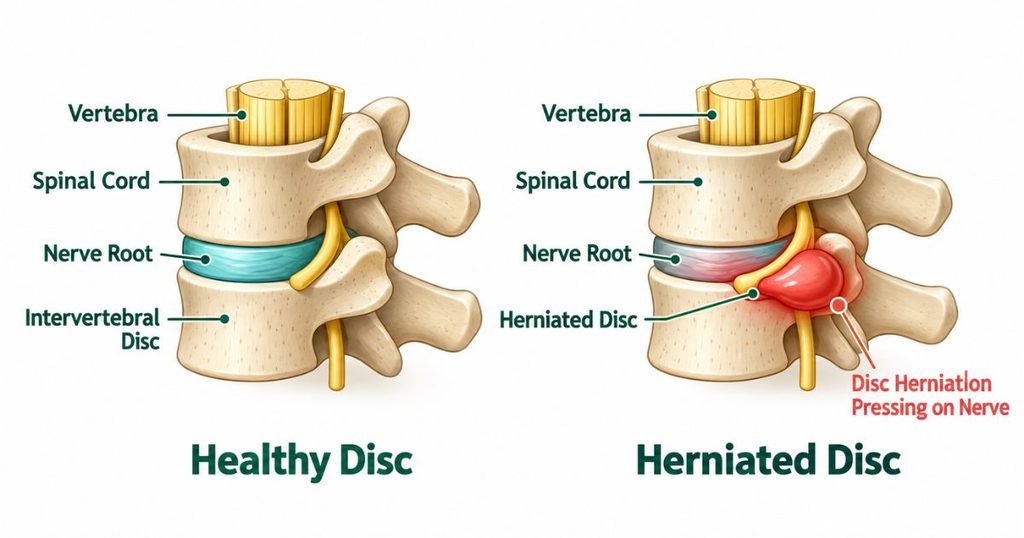
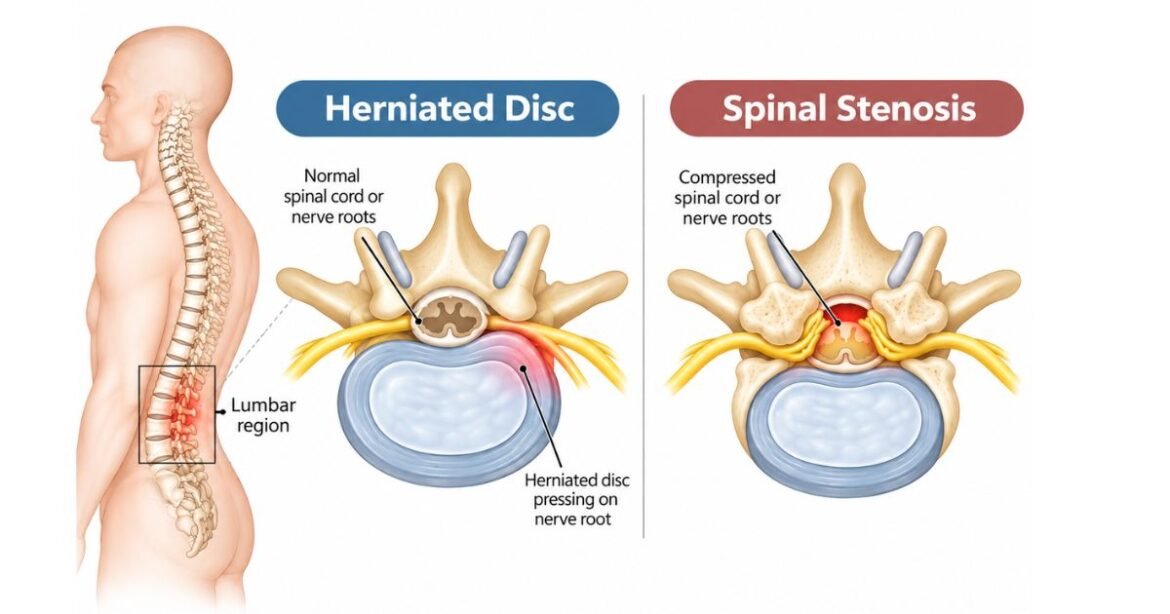
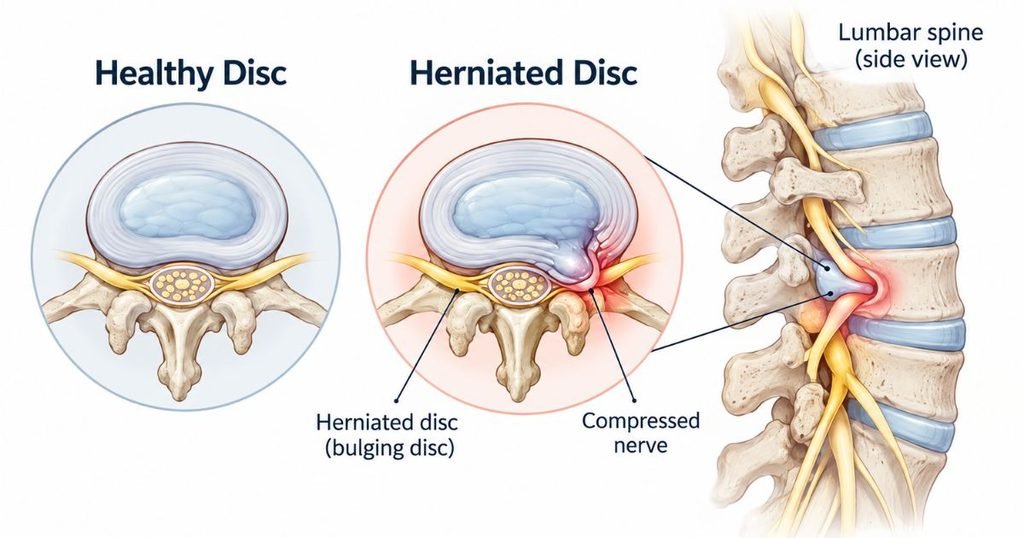
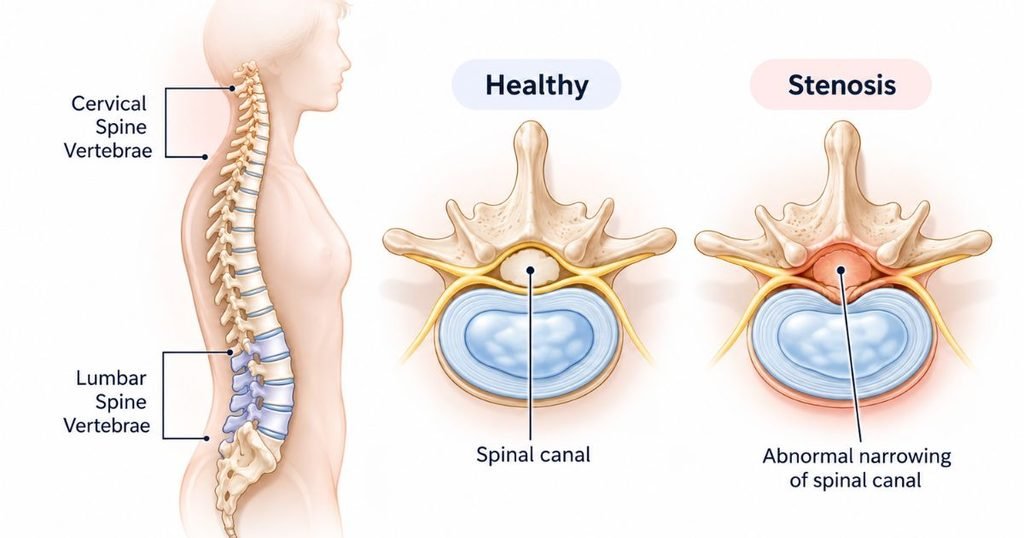
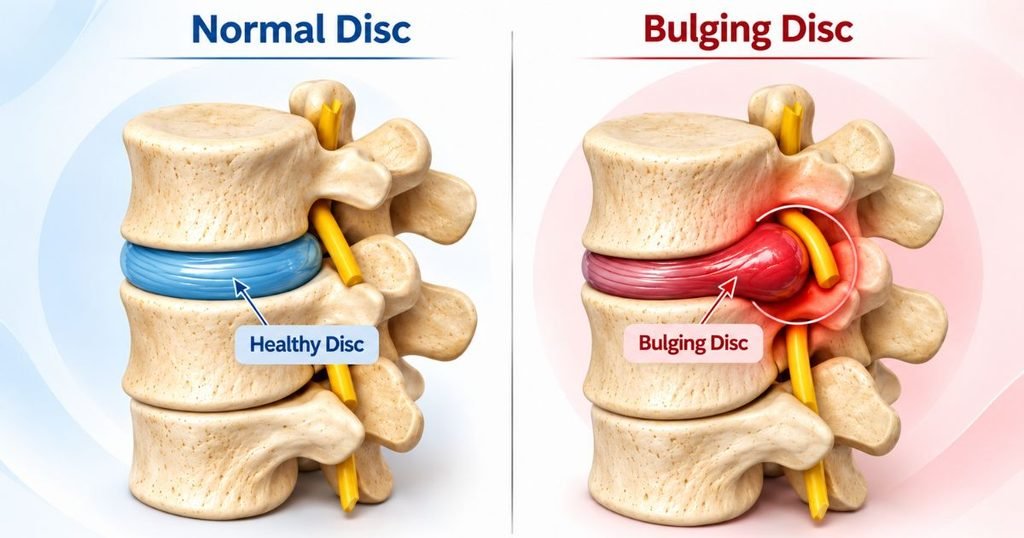
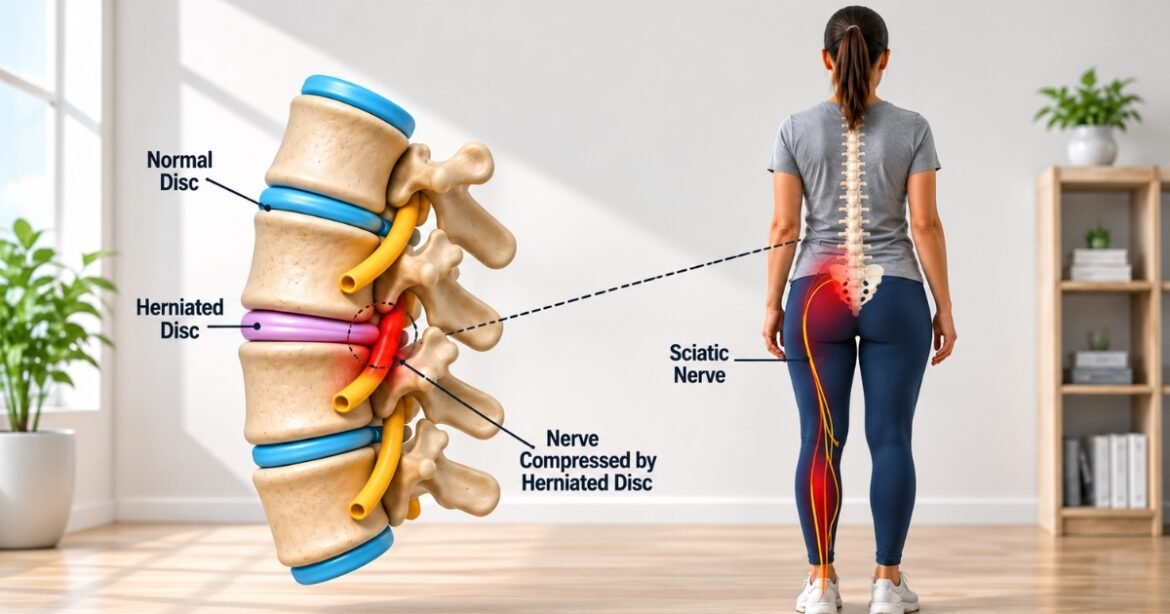
Yes. Conditions such as a herniated disc or lumbar spinal stenosis can irritate or compress nerves in the lower back. These nerves carry sensation and movement signals to different parts of the legs.
When a nerve root is affected, pain may travel into the buttock, thigh, calf or foot. Some people experience burning or electric-shock-like pain, while others notice tingling, numbness or weakness.
A Spine Surgeon in Mumbai can assess whether these symptoms may be related to a spinal condition. However, leg pain can occur without significant lower back pain, and the absence of back pain does not rule out a spinal cause.
What Causes Burning Pain in the Thigh or Leg?

Several conditions can produce these symptoms:
- Lumbar nerve-root irritation: An affected nerve root may cause radiating pain, tingling or altered sensation.
- Herniated disc: A disc in the lower back may protrude and irritate a nearby nerve root.
- Lumbar spinal stenosis: Narrowing of the spinal canal or surrounding nerve spaces can irritate or compress spinal nerves, causing pain, burning, tingling or weakness in the legs. Symptoms may become worse during prolonged standing or walking and improve when sitting or bending forward.
- Meralgia paraesthetica: Compression of a sensory nerve supplying the outer thigh can cause burning, tingling or numbness in that area.
- Peripheral neuropathy: Damage to peripheral nerves may cause burning or altered sensation, sometimes affecting both feet or legs.
The location of the pain provides useful clues, but a clinical assessment is necessary to distinguish between these conditions.
Does the Location of Burning Pain Matter?
Yes. The distribution of symptoms can help identify possible causes, although it cannot confirm a diagnosis on its own.
| Pain location | Possible explanation |
| Outer thigh | Meralgia paraesthetica or lumbar nerve-root irritation |
| Buttock to back of thigh, calf or foot | Sciatica or lumbar nerve-root irritation |
| Front of thigh | Upper lumbar nerve-root irritation, hip conditions or other causes |
| Both feet, sometimes spreading upwards | Peripheral neuropathy, including neuropathy associated with diabetes |
| Leg pain triggered by walking or standing and eased by sitting | Lumbar spinal stenosis, although circulation-related causes should also be considered |
| Burning pain with numbness or muscle weakness | Possible nerve involvement requiring clinical assessment |
Different conditions can produce overlapping symptoms. A doctor considers the pattern of pain alongside muscle strength, sensation, reflexes and other examination findings.
How Is Burning Leg Pain Diagnosed?
The assessment generally begins with a review of the symptoms and medical history. The doctor may ask when the pain started, whether it spreads into other parts of the leg and whether sitting, standing or walking changes it.
A physical and neurological examination may include checking leg strength, sensation, reflexes and walking ability. An MRI may be recommended when symptoms are persistent or worsening, when significant neurological findings are present, or when imaging could influence treatment decisions. The doctor interprets MRI findings alongside the patient’s symptoms and physical examination, as abnormalities seen on a scan do not always explain the pain.
An MRI finding alone does not establish the cause of pain. The scan must be interpreted alongside the patient’s symptoms and examination.
Depending on the symptoms and clinical findings, the doctor may also recommend EMG (Electromyography) and NCV (Nerve Conduction Velocity) tests to assess nerve and muscle function. These tests can help identify certain nerve-related conditions and distinguish between spinal nerve-root problems and peripheral nerve disorders. They are not required in every case, and the doctor determines whether they are appropriate based on the clinical assessment.
What Treatment May Help Burning Pain in the Leg?
Treatment depends on the underlying condition and symptom severity. Depending on the diagnosis, management may include appropriate activity modification, clinician-guided exercises, physiotherapy or medication when suitable.
Some peripheral nerve conditions require measures to reduce pressure on the affected nerve. Persistent symptoms, significant weakness or evidence of substantial nerve compression may require further specialist assessment.
Surgery is considered only in selected cases, depending on the diagnosis, neurological findings and response to appropriate treatment. Burning leg pain does not automatically mean that an operation is necessary.
When Should You Seek Medical Attention?
Consult a doctor if burning pain persists, repeatedly returns, interferes with daily activities or occurs with numbness or weakness.
Seek emergency medical assessment for new difficulty passing urine, loss of bladder or bowel control, numbness around the genitals or anus, or rapidly worsening leg weakness. These symptoms may indicate serious nerve compression.
Sudden leg swelling, warmth or redness may indicate a blood clot. If accompanied by chest pain or breathlessness, seek emergency medical help.
Where Can You Seek an Assessment in Mumbai?
Zen Spine provides information about spinal conditions, consultations and treatment options through its official website. Patients can review the available services and contact the clinic to enquire about an appropriate appointment.
Dr. Rakesh Dhake published hospital information lists Saifee Hospital, Wockhardt Hospital and S. L. Raheja Hospital – A Fortis Associate among the hospitals associated with him. Confirm current consultation locations and appointment arrangements directly before visiting.
Frequently Asked Questions
Q1. Can a slipped disc cause burning pain in the leg?
Answer: Yes. A herniated disc may irritate a spinal nerve root, causing burning pain, tingling or numbness that travels into the leg.
Q2. Can burning thigh pain occur without back pain?
Answer: Yes. Some spinal nerve problems cause leg symptoms without prominent back pain. Peripheral nerve conditions can also cause burning thigh pain.
Q3. Which doctor should I consult for burning leg pain?
Answer: If a spinal condition is suspected, an assessment by a qualified spine surgeon may help clarify the possible cause and appropriate next steps.