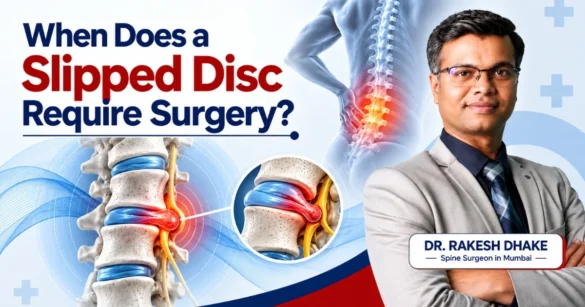
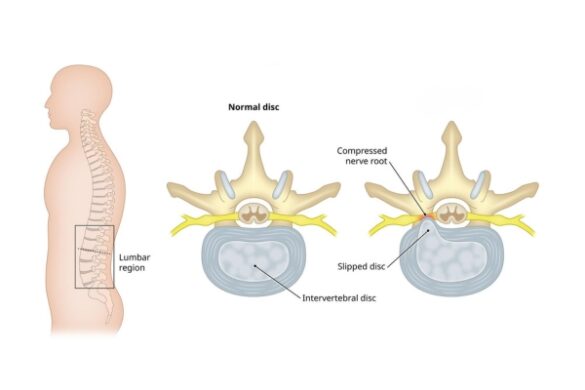
A slip disc can turn a simple movement into a painful challenge. For many patients, the thought of undergoing spine surgery can be overwhelming. But does every slip disc really need an operation? Or can the body heal on its own with the right support?
Here’s what spine experts like Dr. Rakesh Dhake say about managing a slip disc without going under the knife.
Understanding a Slip Disc
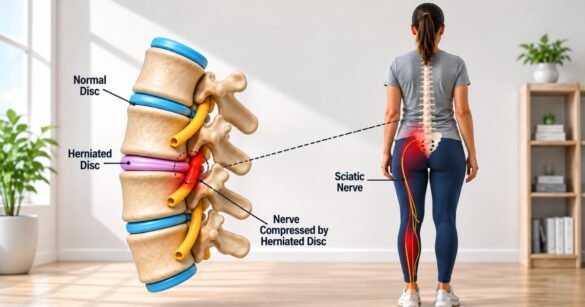
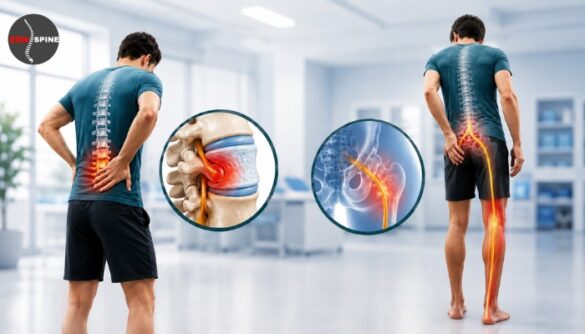
A slip disc, also called a herniated or prolapsed disc, happens when the soft cushion between your spinal bones pushes out. This can press on nearby nerves, leading to:
- Lower back or neck pain
- Pain radiating to arms or legs
- Tingling or numbness
- Weakness in muscles
Not all slip discs are severe. Many patients improve with time, rest, and proper care.
Causes and Risk Factors
In India, daily routines and habits can add stress to the spine. Common causes of a slip disc include:
- Lifting heavy objects incorrectly
- Poor posture while sitting or working
- Long hours of desk job or driving
- Age-related wear and tear
- Sudden injury or fall
Other risk factors include obesity, lack of regular movement, and smoking.
Can a Slip Disc Really Heal Without Surgery?
Yes, in many cases, it can.
Doctors often start with non-surgical treatment, especially when the symptoms are not severe. Dr. Rakesh Dhake explains that with the right care, slipped disc natural recovery is possible in a majority of cases.
The body can gradually reduce inflammation around the disc, and the disc itself may shrink or settle over time. This helps relieve pressure on the nerves.
How Long Does a Slipped Disc Take to Heal?
Recovery varies from person to person. However, here’s a general timeline:
| Severity | Healing Time (Non-Surgical) |
| Mild slip disc | 2 to 4 weeks |
| Moderate slip disc | 4 to 8 weeks |
| Severe (but stable) slip disc | 8 to 12 weeks |
| With nerve symptoms | 3 to 6 months (with rehab) |
Healing may take longer if the disc presses on a nerve or if daily activities continue to strain the spine.
Slip Disc Treatment Without Surgery in Mumbai
Dr. Rakesh Dhake and other spine specialists often use a step-by-step approach. Here are some commonly used non-surgical options:
Rest and Activity Modification
- Short bed rest (1–2 days if pain is severe)
- Avoid bending, lifting, twisting
- Gradually return to activity with guidance
Medications
- Anti-inflammatory painkillers
- Muscle relaxants if needed
- Nerve pain relievers (in case of sciatica)
Physiotherapy
- Targeted exercises to strengthen spine muscles
- Stretching to improve flexibility
- Posture correction techniques
Heat and Cold Therapy
- Cold packs reduce swelling
- Heat helps relax tight muscles
Spinal Injections (for persistent pain)
- Steroid injections reduce inflammation around the disc
Ergonomic Changes
- Supportive chair or workstation
- Avoiding floor seating or slouching
Natural Recovery Tips You Can Try at Home
Patients often ask about what they can do at home. Here are simple, doctor-approved tips:
- Walk short distances every 2–3 hours
- Use a firm mattress
- Avoid sitting for long periods without back support
- Practise gentle back stretches (as shown by a physiotherapist)
- Apply warm compresses for 15–20 minutes twice a day
- Maintain healthy weight to reduce spine pressure
While these won’t replace medical treatment, they support recovery.
Disc Bulge vs Slip Disc: What’s the Difference?

| Feature | Disc Bulge | Slip Disc (Herniated Disc) |
| Definition | Disc pushes outward evenly | Inner gel leaks out or pushes further |
| Pain Level | Often mild or no pain | Can be painful, nerve pressure common |
| Nerve Impact | Rarely affects nerves | Often affects nerves |
| Treatment | Usually posture correction | May need physiotherapy or injections |
A bulging disc is a warning sign. It can progress to a herniated disc if ignored.
When Is Surgery Needed?
Surgery is considered only when:
- Pain continues beyond 3 months despite treatment
- Muscle weakness or loss of bladder control occurs
- MRI shows severe nerve compression
- There’s risk of permanent nerve damage
Dr. Rakesh Dhake notes that less than 10% of patients with slip disc end up needing surgery. The goal is always to try safe, effective non-surgical care first.
Faq
Q1. How do I know if my slip disc is healing?
Answer: Improvement in pain, better movement, and fewer nerve symptoms indicate healing. Physiotherapy sessions can track your progress.
Q2. Can yoga or stretching help in recovery?
Answer: Some specific stretches may help but should be done only after consultation with a physiotherapist. Avoid advanced yoga poses during recovery.
Q3. Is walking good for slipped disc?
Answer: Yes. Walking improves blood flow, reduces stiffness, and supports healing. Start with short walks and increase gradually.
Q4. Can I lift weights again after recovery?
Answer: It depends on the severity of the slip disc and your recovery. Always return to weight lifting under the guidance of your doctor or physiotherapist.
Q5. What sleeping position is best for slip disc recovery?
Answer: Sleeping on your back with a pillow under your knees or on your side with a pillow between your legs reduces spine strain.
Q6. Will a slip disc come back again?
Answer: It can, especially if posture and lifestyle habits aren’t changed. Strengthening your back and core is key to prevention.
Q7. What doctor Rakesh Dhake say about non-surgical disc treatment?
Answer: Dr. Rakesh Dhake believes that most slip disc cases respond well to conservative care. Early diagnosis, guided physiotherapy, and patient commitment are essential for full recovery.
Final Takeaway
A slip disc doesn’t always mean surgery. With expert guidance, careful movement, and proper treatment, many individuals are able to recover naturally. Whether you’re a working professional, a parent, or managing age-related back issues, there are safe and proven ways to heal without invasive procedures.
If you’re struggling with back pain or symptoms of a slip disc, it’s best to consult a spine specialist like Dr. Rakesh Dhake at Zen Spine. Timely care can prevent long-term complications and help restore your quality of life.