
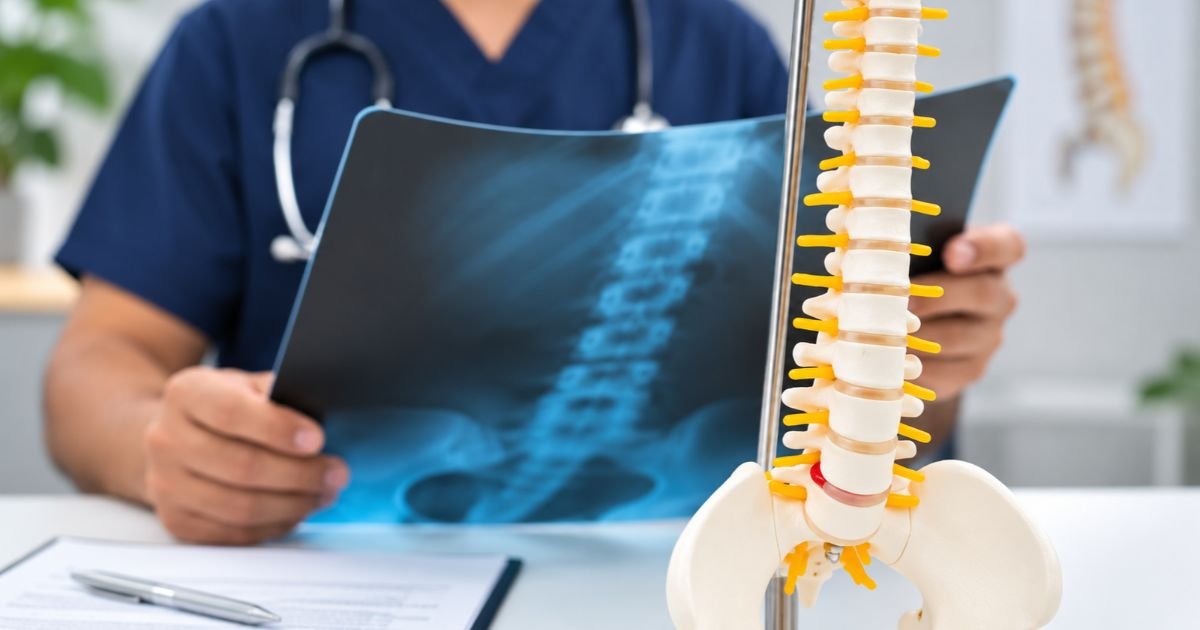
Undergoing spine surgery is a significant decision, and most patients expect the treated area to remain problem-free after recovery. But what happens when a doctor identifies another issue at a spinal level that has already been operated on? Can the same part of the spine undergo surgery twice?
Yes, it is possible. A previously operated spinal level may require another procedure if a new or unresolved structural problem affects its function. However, operating on the same level again involves different considerations than performing surgery for the first time.
For patients exploring their options, understanding revision spine surgery, its challenges, and the factors involved in surgical planning is important. At Zen Spine, under the guidance of Dr. Rakesh Dhake, patients can seek an individual assessment to understand their spinal condition and available treatment options.
What Does It Mean to Operate on the Same Spine Level Twice?
The spine consists of individual vertebrae separated by intervertebral discs. These levels are identified using combinations such as L4-L5, L5-S1 and C5-C6.
When a patient undergoes another procedure at a level that has already been operated on, it is referred to as same-level revision surgery.
For example, someone who previously underwent an L4-L5 discectomy may later require another procedure at L4-L5. This is different from surgery at L3-L4 or L5-S1, which involves a neighbouring spinal segment.
The distinction matters because the surgeon must consider the previous surgical approach, the condition of the surrounding structures, and the changes that may have occurred since the first procedure.
Why Is Surgery at a Previously Operated Level More Challenging?
A second operation is not simply a repeat of the first. The surgeon must work with an area that has already undergone surgical intervention.
Several factors influence how the procedure is planned.
1. Changes in the Original Anatomy
The first operation may involve removing a portion of disc material, bone, or other structures to relieve pressure on the nerves. This can change the anatomy of the treated segment.
During revision surgery, the surgeon must understand these previous changes before deciding how to approach the affected area.
2. Scar Tissue Around the Surgical Site
Scar tissue can develop naturally during the healing process. In some cases, it forms around structures close to the spinal nerves.
This can make separating tissues during another operation more technically demanding. Careful surgical planning is therefore important to reduce the risk of injury to surrounding structures.
3. Previous Implants and Structural Changes
Patients who have undergone spinal fusion may have screws, rods, cages, or other implants in place.
Before considering another procedure, the surgeon may need to assess implant positioning, bone fusion, spinal alignment, and the stability of the operated segment.
These details influence the surgical approach and help determine what needs to be addressed.
Revision Spine Surgery: What Are Surgeons Trying to Correct?
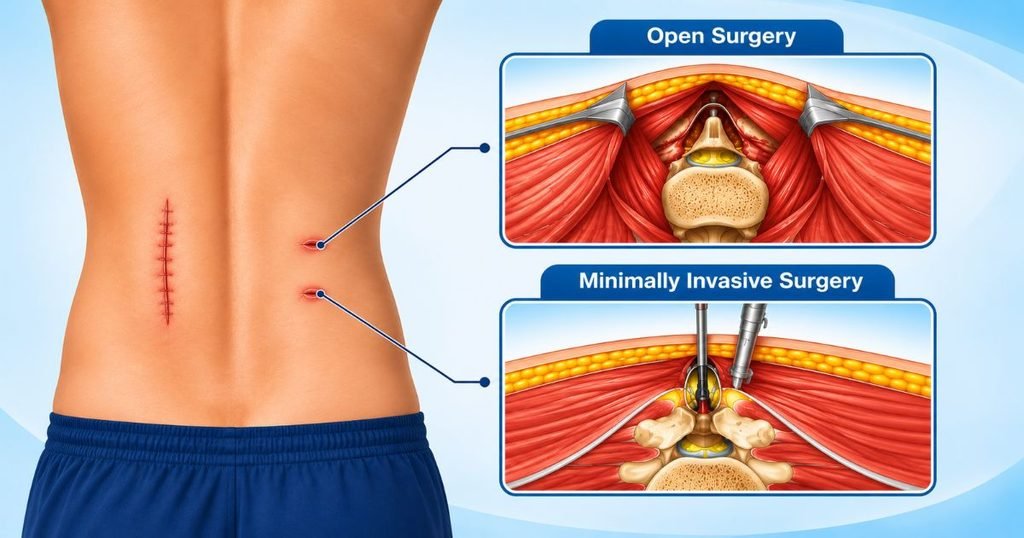
Revision spine surgery is considered when a specific structural or neurological problem at a previously operated spinal level requires further intervention. The choice of procedure depends on the original operation, the condition of the treated segment, and whether the problem can be corrected without compromising spinal stability.
Some situations in which it may be considered include:
- Recurrent disc herniation: When disc material herniates again at a previously operated level, potentially requiring another procedure depending on symptoms and clinical findings.
- Persistent nerve compression: When a spinal nerve remains compressed or develops another area of compression requiring treatment.
- Spinal instability: When the affected segment has abnormal movement that contributes to symptoms.
- Pseudarthrosis: When the bones do not achieve the intended fusion following a spinal fusion procedure.
- Hardware-related complications: When existing implants cause a clinically significant problem that requires surgical attention.
Not every patient with these findings needs another operation. The decision depends on the severity of the condition, symptoms, examination findings, and potential benefits of intervention.
How Do Doctors Decide Whether the Same Level Needs Another Operation?
Before recommending revision surgery, a spine specialist needs a clear understanding of the patient’s current spinal condition and previous treatment.
Reviewing Previous Surgical Records
The original operative report can provide valuable information about the procedure performed, the exact spinal level treated, and any implants used.
Previous MRI scans, CT scans, discharge summaries, and follow-up reports may also help the surgeon understand how the condition has changed.
Understanding the Current Spinal Condition
The surgeon evaluates the previously operated segment to understand what has changed since the first procedure and whether another operation is technically appropriate.
Depending on the patient’s history and suspected problem, investigations may help assess:
- Remaining disc material and possible nerve compression.
- Bone removal and structural changes from the previous operation.
- Whether a spinal fusion has healed adequately.
- Implant positioning and the stability of the operated segment.
MRI, CT scans and X-rays may be used depending on the clinical findings and the information required for surgical planning.
Evaluating Whether Surgery Is Necessary
The decision to perform another operation depends on whether the identified problem can be corrected through a repeat procedure and whether the operated segment can maintain adequate stability.
The surgeon considers the extent of the previous operation, the remaining spinal structures, the condition of the nerves, and whether additional stabilisation may be required.
The final treatment approach depends on the patient’s clinical findings, previous surgical history and the expected benefits and risks of another procedure.
Myths and Facts About Revision Spine Surgery
| Myth | Fact |
| The same spinal level can only be operated on once. | Selected spinal levels can undergo more than one surgical procedure. |
| Revision surgery is always an extensive operation. | The extent of surgery depends on the underlying condition and previous procedure. |
| Previous spinal implants always need removal. | Existing hardware may be retained if it is stable and does not require intervention. |
| Every revision procedure involves spinal fusion. | Some revision procedures do not require fusion. |
| A patient cannot have a second opinion after previous spine surgery. | Patients can seek another specialist’s assessment before deciding on further treatment. |
What Should Patients Discuss Before Considering a Second Spine Operation?
A repeat spinal procedure deserves careful consideration. Patients should understand the reason for surgery, the expected benefits, possible complications, and available alternatives.
Before making a decision, consider asking the spine specialist:
- What exactly is happening at my previously operated spinal level?
- Is the problem related to the original condition or a separate structural issue?
- What are the potential benefits and risks of another operation?
- Are there suitable non-surgical treatment options?
- What should I expect during rehabilitation and recovery?
These questions can help patients understand their treatment plan rather than making decisions based only on scan reports or recurring discomfort.
Understanding Revision Spine Surgery at Zen Spine with Dr. Rakesh Dhake
Choosing whether to undergo another spine procedure requires an understanding of both the previous operation and the patient’s present condition.
At Zen Spine, patients can seek an evaluation with Dr. Rakesh Dhake to discuss their spinal concerns, previous surgical history, and available treatment options.
Reviewing earlier investigations alongside current clinical findings is an important part of assessing patients who may require revision spine surgery.
The aim is to understand the cause of the problem and determine whether further surgery, conservative treatment, or continued monitoring is appropriate.
Patients who have undergone previous spine surgery and are experiencing new or unexplained symptoms should consider consulting a qualified spine specialist rather than assuming that another operation is inevitable.
Frequently Asked Questions
Q1. Can a patient undergo revision spine surgery at a different hospital from the first operation?
Answer: Yes. A patient can consult another spine specialist or hospital for revision surgery. However, previous operative reports, imaging, and treatment records should be shared whenever possible to help the new surgeon understand the earlier procedure.
Q2. Does age affect eligibility for revision spine surgery?
Answer: Age alone does not determine whether someone can undergo revision surgery. Overall health, bone quality, existing medical conditions, functional status, and the expected benefits and risks of surgery are also important considerations.
Q3. Can a patient seek a second opinion before agreeing to revision surgery?
Answer: Yes. A second opinion can help patients understand their diagnosis, review proposed treatment options, and make a more informed decision. It is particularly useful when the reason for another operation or its expected benefits are unclear.
Q4. Is revision spine surgery performed under general anaesthesia?
Answer: Many revision spine procedures are performed under general anaesthesia. The anaesthesia plan depends on the nature of the operation, the patient’s medical history, and the anaesthesiologist’s assessment.
Q5. Will a patient need rehabilitation after revision spine surgery?
Answer: Rehabilitation may be recommended depending on the procedure performed and the patient’s recovery. The timing and type of physiotherapy should be determined by the treating surgeon rather than following a standard programme independently.
If you have previously undergone spine surgery and have concerns about another procedure, consult a spine specialist at Zen Spine to understand your current condition and discuss an appropriate treatment plan with Dr. Rakesh Dhake.