Have you noticed uneven shoulders in your child? Or does one side of your back look slightly raised in the mirror? Many people ignore these early changes, thinking it is just posture. In reality, it could be scoliosis.
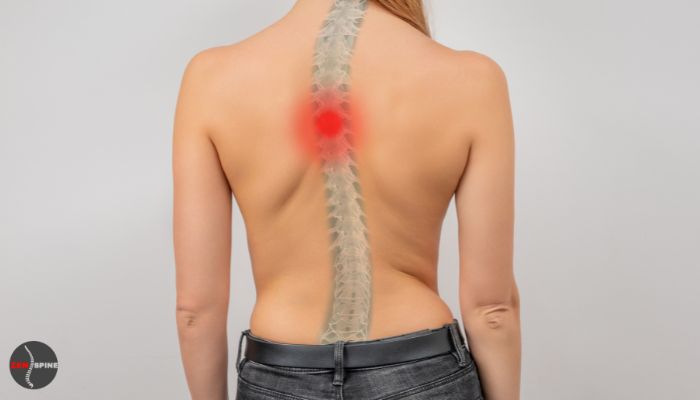
Scoliosis is a scoliosis spine condition where the spine curves sideways instead of staying straight. A healthy spine looks straight when viewed from the back. In scoliosis, the spine forms a C or S shape. This condition can affect children, teenagers, and adults.
Early detection makes a big difference. With timely care, many patients avoid severe deformity and long term pain. In this guide, you will understand the types of scoliosis, symptoms of scoliosis, causes, complications, and scoliosis treatment options in simple language.
What Is Scoliosis and What Part of the Spine Does Scoliosis Affect?
Scoliosis is a sideways curvature of the spine. It can affect:
- Upper back also called thoracic spine
- Lower back also called lumbar spine
- Both upper and lower sections
The curve may be mild and hardly visible. In other cases, it can become severe and affect posture, balance, and breathing.
The spine also rotates in scoliosis. That is why some patients develop a rib hump or one shoulder blade that sticks out more than the other. Doctors measure the curve using a method called Cobb angle. If the curve measures more than 10 degrees, doctors diagnose scoliosis.
Types of Scoliosis
Understanding the Types of scoliosis helps in choosing the right treatment.
Idiopathic Scoliosis
This is the most common type. The exact causes of scoliosis in this type are unknown. It usually develops during growth spurts in teenagers. It is further divided into:
- Infantile scoliosis
- Juvenile scoliosis
- Adolescent scoliosis
Adolescent scoliosis is the most common form.
Congenital Scoliosis
This type develops before birth. The bones of the spine do not form properly. Parents may notice abnormal posture early in childhood.
Neuromuscular Scoliosis
This occurs due to nerve or muscle conditions such as cerebral palsy or muscular weakness. The spine loses support and curves.
Degenerative Scoliosis in Adults
Adults can develop scoliosis due to age related wear and tear. Disc degeneration and arthritis can lead to spinal imbalance.
Early Signs of Scoliosis
Early signs of scoliosis are often subtle. Parents and adults should watch for:
- Uneven shoulders
- One hip higher than the other
- Clothes not fitting evenly
- Rib hump when bending forward
- One shoulder blade more prominent
Head not centred over pelvis
In children, mild scoliosis symptoms may not cause pain. That is why routine spine screening is helpful during school years.
Adults with degenerative scoliosis may notice lower back pain, leg pain, or difficulty standing straight.
Symptoms of Scoliosis in Children and Adults
The symptoms of scoliosis depend on age and curve severity.
In Children and Teenagers
- Visible spinal curve
- One shoulder raised
- Uneven waistline
- One side of chest protruding
- Fatigue after standing
- Mild back discomfort in some cases
Many children do not complain of pain. That makes early detection important.
In Adults
- Persistent lower back pain
- Muscle spasms
- Numbness or weakness in legs
- Difficulty walking long distances
- Progressive posture imbalance
Adults often delay medical care thinking pain is due to strain. Ignoring symptoms may worsen the curve.
Causes of Scoliosis
The causes of scoliosis vary by type.
- Genetic factors in idiopathic
- Birth defects in congenital scoliosis
- Muscle imbalance in neuromuscular cases
- Age related spine degeneration
- Osteoporosis weakening spinal bones
In most teenage cases, doctors cannot find a single clear cause. Family history may increase risk.
How Is Scoliosis Diagnosed?
Doctors begin with physical examination. They ask the patient to bend forward. This test reveals rib hump or spinal rotation.
If scoliosis is suspected, X ray confirms the diagnosis. The doctor measures Cobb angle to decide severity.
In complex cases, MRI or CT scan helps check spinal cord and nerve involvement.
If you notice early signs of scoliosis, it is wise to consult spine specialist for scoliosis evaluation. Early medical advice prevents complications.
Mild Scoliosis Symptoms and When to Monitor
Mild scoliosis symptoms often include:
- Slight uneven shoulders
- Small curve under 20 degrees
- No major pain
Doctors may suggest observation every 4 to 6 months for growing children. Regular monitoring checks if the curve progresses during growth spurts.
In adults, small curves with mild discomfort may respond well to physiotherapy and posture correction treatment.
Complications of Scoliosis
Untreated scoliosis may lead to several complications.
- Progressive spinal deformity
- Chronic back pain
- Breathing problems in severe thoracic curves
- Reduced physical stamina
- Emotional stress due to body image
Severe curves above 50 degrees often continue to worsen even after growth stops. Early treatment reduces risk of major surgery later.
Scoliosis Treatment Options
Scoliosis treatment options depend on age, curve size, symptoms, and progression rate.
Observation
For mild curves under 20 degrees in children, doctors monitor growth.
Physiotherapy and Posture Correction
Specific exercises strengthen core muscles and improve spinal support. Physiotherapy for scoliosis helps reduce discomfort and maintain flexibility. However, exercises do not permanently correct a structural curve.
Bracing
Back brace treatment is common in growing children with curves between 20 to 40 degrees. Braces prevent worsening during growth. The child must wear it for several hours daily.
Pain Management in Adults
Adults with degenerative scoliosis may benefit from:
- Physiotherapy
- Pain relief medicines
- Spinal injections
- Lifestyle correction
Surgical Treatment
Surgery is advised when:
- Curve exceeds 45 to 50 degrees
- Rapid progression occurs
- Severe pain persists
- Nerve compression causes weakness
Surgery corrects the curve and stabilises the spine using rods and screws. Modern techniques improve safety and recovery.
If you are searching for the best treatment for scoliosis in Mumbai, surgical expertise plays a major role in outcome.
Dr. Rakesh Dhake, spine surgeon at Zen Spine, has experience in managing complex spinal deformities. He carefully evaluates whether a patient needs non surgical care or spinal correction surgery. His focus remains on safe correction, spinal balance, and long term stability.
Patients looking for the best doctor for scoliosis treatment often prefer a surgeon who handles both adult degenerative scoliosis and adolescent spinal deformity.
Scoliosis in Teenagers: Why Early Action Matters
Teenagers experience rapid growth. During this phase, a small curve can worsen quickly.
Early scoliosis detection allows:
- Timely bracing
- Avoiding major deformity
- Preventing surgery in some cases
Parents should check posture every few months during growth years.
Scoliosis in Adults: Why Pain Should Not Be Ignored
Adult scoliosis often develops slowly. Many patients live with discomfort for years.
Warning signs include:
- Back pain worsening with standing
- One shoulder drooping
- Leaning to one side
- Leg pain due to nerve compression
Adult spinal curvature treatment focuses on pain control and spinal balance. Surgery becomes necessary if conservative care fails.
Myths and Facts About Scoliosis
Myth: Scoliosis happens due to bad posture
Fact: Poor posture does not cause structural scoliosis
Myth: Heavy school bags cause scoliosis
Fact: Heavy bags may cause back strain but not structural curve
Myth: Every scoliosis case needs surgery
Fact: Many mild cases need only monitoring
Understanding facts prevents panic and delay in treatment.
When Should You Consult a Spine Specialist for Scoliosis?
You should consult spine specialist for scoliosis if:
- Curve appears to worsen
- Child enters puberty with diagnosed scoliosis
- Back pain limits daily activity
- Numbness or weakness develops
Early medical advice offers better control and fewer complications.
Why Surgical Expertise Matters in Advanced Cases
Scoliosis surgery requires precision. The surgeon must correct the curve while protecting nerves and spinal cord.
Dr. Rakesh Dhake evaluates each case carefully. He studies X rays, MRI scans, and patient symptoms before planning surgery. His approach aims to:
- Correct deformity
- Restore spinal alignment
- Reduce pain
- Improve quality of life
Zen Spine focuses on safe spine surgery with modern techniques and careful follow up care.
Final Thoughts
Scoliosis may start quietly but can progress if ignored. Early signs of scoliosis such as uneven shoulders or rib hump should not be overlooked. With timely diagnosis and the right scoliosis treatment options, most patients lead active and pain free lives.
If you or your child shows symptoms of scoliosis, consider professional evaluation. For those looking for the best treatment for scoliosis in Mumbai, consulting an experienced spine surgeon makes a difference.
Dr. Rakesh Dhake at Zen Spine provides careful assessment and advanced surgical care for complex spinal deformities. Early consultation can prevent long term complications and help restore spinal balance.
Book your consultation today and take the first step towards a healthier spine.
Frequently Asked Questions
Q1. Can scoliosis be cured completely?
Answer: Mild scoliosis may remain stable without major impact. Severe structural curves require surgery for correction. Early care gives better results.
Q2. Is scoliosis painful?
Answer: Children often do not feel pain. Adults commonly experience back pain due to muscle strain or degeneration.
Q3. At what age does scoliosis start?
Answer: It commonly starts during teenage growth spurts. Adults may develop degenerative scoliosis later in life.
Q4. Does scoliosis get worse with age?
Answer: Yes, untreated curves may worsen during growth or due to age related changes.
Q5. Is surgery risky for scoliosis?
Answer: Modern spine surgery is safe when performed by experienced surgeons. Careful planning reduces complications.