
Many people in India try to live with back or leg pain until it reaches a point where even simple movements feel exhausting. When pain begins to interfere with sleep, work or basic daily activity, the fear of surgery comes next. This fear often stops people from meeting a spine specialist even when their symptoms are clear signs of a slip disc.
During conversation with Dr. Rakesh Dhake at Zen Spine clinic, one question repeats itself. They want to know if a slip disc can be treated with less discomfort and if they can return to normal life without a long stay in hospital. This is where endoscopic spine surgery has changed the way slip disc treatment is carried out. It is a focused method that uses a small camera and a tiny skin opening to treat a damaged disc with the least disturbance to the body.
Dr Rakesh Dhake uses this method for patients who want relief without a long recovery. The purpose of this guide is to explain how the method works in simple language and why it has become an important choice for people looking for slip disc treatment in Mumbai.
Understanding how a slip disc starts
A slip disc occurs when the soft inner part of a spinal disc pushes out. This bulge can press on a nerve and produce pain in the back, neck or legs. Many factors lead to this problem.
Common causes include
- Long sitting hours at work
- Sudden heavy lifting
- Poor posture for many years
- Age related disc wear
- Weak core muscles that fail to support the spine
Pain is not the only sign of a slip disc. Some people notice leg numbness, tingling or weakness. Others feel pain only during standing, bending or coughing. When these symptoms persist, medical help becomes important because early treatment lowers the chances of long term nerve irritation.
Why many patients look for less invasive care
A traditional open surgery for slip disc treats the problem but involves a larger skin cut and more disturbance to muscle. Many Indian patients prefer a treatment that allows faster recovery because they juggle work and family responsibilities. This is why interest in endoscopic spine surgery in Mumbai has grown in recent years.
Patients also search for terms such as back pain treatment without surgery or advanced spine treatment options Mumbai. These searches show that people want solutions that do not disrupt their daily routine. Endoscopic spine surgery fits this preference because it focuses only on the damaged area.
How endoscopic spine surgery works
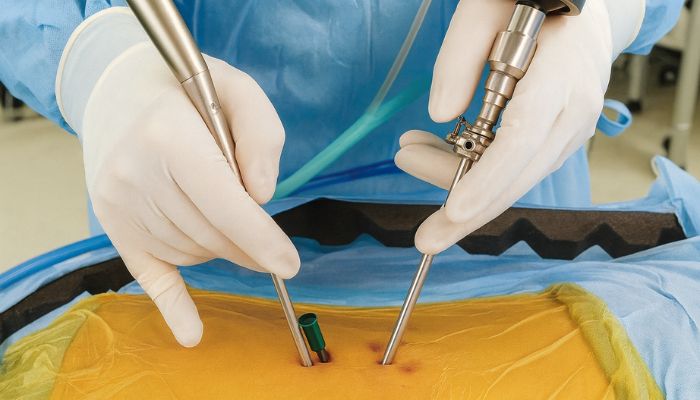
Endoscopic spine surgery uses a thin tube with a camera to reach the damaged disc. The surgeon watches the inside view on a monitor and removes the part of the disc pressing on the nerve. The opening on the skin is very small which keeps muscle fibres intact and reduces discomfort.
Patients often ask how it feels afterwards. Most describe it as manageable with mild soreness rather than deep pain. Walking starts on the same day in many cases which improves blood flow and confidence.
This method is now chosen for both lumbar and cervical slip disc treatment. It is also used when the disc has caused leg pain from nerve pressure. The method has shown good results when carried out by an experienced spine surgeon.
Benefits of endoscopic spine surgery
People often ask about the benefits of endoscopic spine surgery compared with traditional methods. The most common reasons patients prefer this option include
- Small skin opening
- Quick return to normal movement
- Less discomfort after surgery
- Minimal blood loss
- Lower hospital stay
- Focus only on the damaged area
- Clear visualisation for the surgeon
- Faster recovery for working individuals
Many working professionals choose this method to avoid long breaks from office. Older patients also appreciate the shorter healing time because they fear long periods of bed rest.
Endoscopic vs open spine surgery
Open surgery involves cutting through layers of muscle to reach the spine. This leads to more healing time. The endoscopic method uses a small channel, so muscle disturbance is limited. The difference in recovery speed is often noticeable within the first week.
Another point patients ask is whether both methods offer the same relief. The answer is that the goal of both is the same, which is to free the nerve from pressure. The difference lies in how the surgeon reaches the site. With endoscopic surgery, the path is smaller and more focused.
Endoscopic spine surgery vs laser spine surgery
Some people search for laser spine surgery, but this term often leads to confusion. Laser is only a heat-based tool and not a complete treatment. Endoscopic spine surgery is a full method that allows the surgeon to see and remove the exact tissue pressing on the nerve. The camera view gives more control, which improves the accuracy of the treatment.
Laser alone cannot remove large disc fragments or treat complex nerve compression. This is why experienced surgeons prefer the endoscopic method for better control and predictable results.
Is endoscopic spine surgery safe for slip disc
Safety is a common concern. The method has been used for many years and offers predictable results when performed by an experienced spine surgeon. The small skin opening reduces the chances of wound issues. The short anaesthesia time also helps older adults who worry about long procedures.
How effective is endoscopic spine surgery for herniated disc
The method is known to be effective for disc herniation when the nerve is pressed by a bulging disc. Relief often starts soon after the nerve is freed. Many patients report improvement in leg pain within twenty four to forty eight hours. Back stiffness may take a little longer to settle but usually improves steadily.
Recovery time after endoscopic spine surgery
Recovery varies from person to person but most patients return to light activity within a week. Full recovery may take three to six weeks. People who follow simple spine care instructions such as posture correction and core strengthening tend to heal faster. Dr Rakesh Dhake guides each patient with a personalised plan based on age, work pattern and fitness levels.
Who benefits most from endoscopic spine surgery
Not every patient requires surgery. Many people improve with guided physiotherapy, posture correction or targeted pain relief. Endoscopic spine surgery becomes useful when
- Leg pain or back pain continues despite treatment
- Nerve symptoms such as numbness or tingling increase
- The disc bulge presses strongly on a nerve
- Daily movement becomes difficult
- Pain returns frequently after short-term relief
Patients in Mumbai often reach this stage after long working hours, road travel, and prolonged sitting. When pain begins to restrict overall lifestyle, this method offers a practical solution without a long pause from routine.
Why local expertise matters
Endoscopic spine surgery needs steady hands, patience and accurate judgement. The camera view shows fine structures near the nerve, so experience becomes important.
Dr Rakesh Dhake performs this method at Zen Spine in Mumbai with a focus on safety, shorter healing time and natural movement restoration. His approach includes understanding a patient’s work pattern, sitting habits and posture so the treatment plan fits real life needs.
Local patients also feel comfortable knowing they can return for follow up easily without travelling far. This adds to treatment confidence.
When to meet a spine specialist
Many people wait too long because they assume the pain will settle on its own. Pain that continues beyond two to three weeks should not be ignored.
You should visit a spine specialist if you notice
- Pain that increases during sitting or standing
- Numbness or tingling in the leg or arm
- Weakness in foot or grip strength
- Pain that travels along the leg
- Difficulty bending or lifting
- Pain disturbing sleep
These signs may indicate nerve pressure. Early assessment helps avoid worsening.
Cost factors for endoscopic spine surgery in Mumbai
Patients often search for endoscopic spine surgery cost in Mumbai. The cost varies depending on
- Hospital facilities
- Surgeon experience
- Type of disc problem
- Investigations required
- Anaesthesia choice
Although the cost is slightly higher than traditional methods, the savings in recovery time, absence from work and hospital stay often balance the difference. Patients value the quick return to routine.
Comparison of treatment approaches
Below is a simple table that patients can easily understand. It avoids technical detail and describes practical differences.
| Treatment Type | Skin Opening Size | Time in Hospital | Recovery Period | Suitable For |
| Endoscopic Spine Surgery | Very small | Short stay | Three to six weeks | Slip disc with nerve pressure |
| Open Spine Surgery | Larger cut | Longer stay | Six to twelve weeks | Severe or complex cases |
This table shows why endoscopic spine surgery has become a preferred choice for many working individuals, especially in cities like Mumbai, where time away from work affects daily life quickly.
Lifestyle habits to prevent future slip disc issues
Surgery treats the current disc problem, but long-term spine care depends on daily habits. The most effective steps to prevent future issues include
- Keeping the spine straight during long hours of sitting
- Using a chair with firm support
- Standing and stretching every forty minutes
- Avoiding sudden lifting
- Building core strength
- Keeping body weight in check
- Using correct techniques while bending
These habits protect the discs from repeat injury. Dr Rakesh Dhake guides patients with these steps during follow ups so they maintain long-term spine health.
Advanced spine treatment options Mumbai
Mumbai has grown into a centre for advanced spine care. People from nearby cities travel here for updated treatment methods such as
- Endoscopic lumbar discectomy
- Endoscopic cervical discectomy
- Image guided nerve decompression
- Targeted pain procedures
Endoscopic spine surgery continues to lead the list because of its shorter healing period and good outcomes for slip disc treatment.
Why this method continues to grow in popularity
Patients prefer a treatment that allows natural movement as soon as possible. Endoscopic spine surgery offers this comfort. The combination of a small skin opening, clear visual control and quicker return to daily life makes it suitable for many slip disc cases.
In cities like Mumbai, where people travel long distances, stand in queues, work long hours and manage household duties, a long recovery period becomes difficult. A method that solves the pain with less interruption naturally gains interest.
Final thoughts and patient guidance
Slip disc pain affects confidence and daily comfort. When simple tasks start to feel heavy, it is time to explore solutions that fit your needs. Endoscopic spine surgery has changed the recovery journey for many people because it treats the damaged disc with minimal disturbance.
If you live in Mumbai and want a practical treatment plan for your spine issue, a consultation at Zen Spine can help you understand the options. Dr Rakesh Dhake will study your MRI, symptoms and routine to guide you on whether endoscopic spine surgery is suitable for your case. Early evaluation often prevents long term nerve irritation and helps you return to normal life smoothly.
FAQs
Q1. Is endoscopic spine surgery painful?
Answer: Pain is usually mild because the skin cut is small. Most patients walk on the same day and manage discomfort with simple medicines.
Q2. How long does endoscopic spine surgery take?
Answer: The procedure normally takes forty to sixty minutes depending on the disc condition.
Q3. Can a slip disc heal without surgery?
Answer: Yes. Many patients improve with rest, physiotherapy and posture correction. Surgery is suggested only when nerve pressure continues.
Q4. How soon can I return to work after endoscopic spine surgery?
Answer: Most people return to desk jobs within one to two weeks based on comfort and guidance.
Q5. Is endoscopic spine surgery safe for older adults?
Answer: Yes. The method uses a small entry point and short anaesthesia time, which suits older patients well.
Q6. What is the difference between endoscopic spine surgery and laser surgery?
Answer: Laser is only a heat tool. Endoscopic surgery is a complete method that allows the surgeon to see and remove the actual disc fragment pressing on the nerve.
Q7. Can the slip disc return after endoscopic spine surgery?
Answer: A disc can bulge again if posture and lifestyle habits remain poor. Following spine care advice lowers the chance of recurrence.