
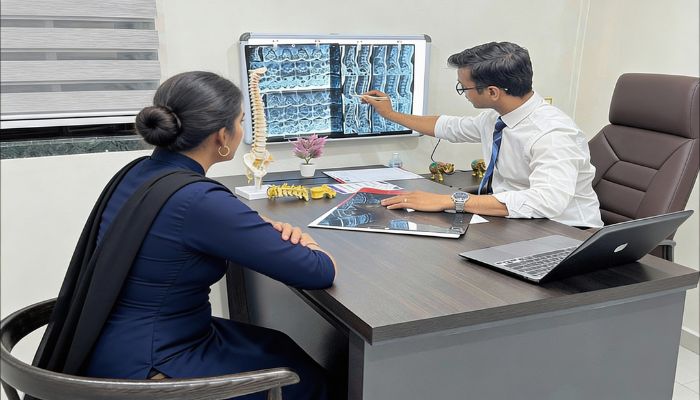
Most people do not wake up one day with severe back pain. Spine issues usually begin quietly. A dull ache after long sitting. A stiff neck while turning the head. A strange tingling in the fingers that fades after some time.
Because these signs feel mild, they often get ignored. Many continue daily work, adjust posture slightly, or take pain relief without understanding the cause. Over time, these early signs may turn into a serious spine problem that affects movement, sleep, and work life.
Understanding the early symptoms of spine disorders helps you act before damage increases. This guide explains the warning signs of spinal issues in a clear and patient friendly way, so you know when attention matters.
Why Early Spine Warning Signs Are Missed
The spine supports the body all day. Because it is always active, early strain does not always stop daily routine. The body adapts by limiting movement or shifting posture.
Common reasons people delay care include
- Assuming pain is part of work stress
- Believing stiffness is age related
- Using pain relief without guidance
- Waiting until pain becomes constant
These delays allow joint stress and nerve pressure to build silently.
Back Pain That Keeps Returning

Back pain that settles after a day or two is often muscle related. A spine problem behaves differently.
If pain returns again and again, stays for weeks, or feels deeper than surface soreness, the spine may be under ongoing stress. Many people notice the pain after waking up or after sitting for long hours.
This pattern often points towards disc or joint involvement and should not be ignored.
Neck Pain With Ongoing Stiffness
Neck discomfort is common, but stiffness that limits movement is an early signal of cervical spine trouble.
People often notice
- Difficulty turning the head while driving
- Discomfort while using a phone or laptop
- Neck tightness after sleep
When stiffness keeps returning, it may indicate posture-related spine pain or disc pressure.
Tingling or Numbness in Arms or Legs

Tingling, numbness, or burning sensation in limbs is a strong warning sign of spinal issues.
This usually happens due to nerve compression, where spinal nerves face pressure from discs or joints. These sensations may appear while sitting, lying down, or even during sleep.
Even if pain feels mild, nerve related symptoms need timely attention.
Pain That Travels Along One Side of the Body
Pain that moves from the neck into the arm or from the lower back into the leg often follows a nerve path.
Such pain may feel sharp, pulling, or electric. Sitting often worsens it, while lying down brings some relief. This pattern usually suggests nerve irritation rather than muscle strain.
Early care helps prevent worsening nerve stress.
Weakness or Loss of Grip Strength
Reduced strength develops slowly, which makes it easy to miss.
You may notice
- Dropping objects
- Difficulty lifting usual items
- Weak grip in one hand
- Heaviness in one leg
These signs suggest disturbed nerve signals and should be checked without delay.
Balance Problems or Unsteady Walking
Some spine problems affect balance before severe pain appears.
People may feel unsure while walking, climbing stairs, or turning suddenly. This may come with leg stiffness or numbness. Balance changes often indicate deeper nerve involvement.
Difference Between Common Pain and a Spine Problem
| Symptom Pattern | What It Suggests | Action Needed |
| Mild pain after long sitting | Muscle strain | Posture correction |
| Pain lasting many weeks | Joint or disc stress | Medical review |
| Tingling or numbness | Nerve compression | Spine evaluation |
| Pain spreading to limb | Disc pressure | Specialist visit |
| Weakness or imbalance | Nerve signal issue | Prompt assessment |
Why Nerve Compression Needs Early Care
Spinal nerves carry signals between the brain and the body. When pressure builds around them, these signals get disturbed.
Early nerve compression may cause tingling or mild pain. If ignored, it may lead to lasting numbness or strength loss. Timely care often prevents these outcomes and supports nerve recovery.
When to See a Spine Specialist
Many people delay medical care, hoping pain will settle on its own. While mild discomfort may improve, certain signs mean the spine needs prompt attention.
You should consider seeing a spine specialist if
- Pain lasts more than two weeks or keeps returning
- Tingling or numbness appears in arms or legs
- Weakness in legs or arms, making walking or lifting difficult
- Difficulty in balance, frequent stumbling, or feeling unsteady
- Pain disturbs sleep or daily routine
There are also symptoms that need urgent medical evaluation. These include
- Loss of control over bowel or bladder function
- Sudden and rapidly worsening weakness
- Severe pain with loss of sensation
These signs may indicate serious nerve compression or spinal cord involvement. Early assessment helps prevent lasting damage and supports safer recovery.
How Early Care Reduces Future Risk
Most early spine problems respond well to non surgical care.
Early management focuses on
- Reducing nerve pressure
- Improving posture habits
- Supporting joint movement
- Preventing further strain
Delaying care often increases recovery time.
Spine Care Approach at Zen Spine
At Zen Spine, care focuses on understanding why pain started, not just where it hurts.
Dr. Rakesh Dhake follows a patient focused approach that connects daily habits, posture patterns, and spinal alignment with symptoms. Clear explanations help patients understand their condition and care plan.
Many people searching for the best spine doctor in mumbai look for guidance that feels practical and reassuring. This approach defines spine care at Zen Spine.
Daily Habits That Increase Spine Stress
Small habits repeated daily can increase spine strain.
Common factors include
- Long hours of sitting
- Poor screen height
- Unsupported sleeping positions
- Limited movement breaks
Correcting these habits supports long term spine comfort.
Simple Steps to Support Spine Health
Supporting your spine does not require drastic changes.
Helpful steps include
- Sitting with back support
- Taking short movement breaks
- Keeping screens at eye level
- Using a supportive pillow
Consistency with these habits protects the spine over time.
Take Action Before Pain Becomes a Habit
Spine problems develop gradually. The body sends early signals that deserve attention.
If pain, stiffness, or tingling is becoming part of your routine, a proper spine assessment can bring clarity and relief.
A consultation with Dr. Rakesh Dhake at Zen Spine helps you understand your spine health and plan care before discomfort limits your daily life.
Your spine supports every movement you make. Taking care of it early protects your comfort ahead.
Frequently Asked Questions
Q1. What are the earliest warning signs of a spine problem?
Answer: Persistent pain, stiffness, tingling, or pain spreading to arms or legs are early signals.
Q2. Can spine problems heal on their own?
Answer: A minor strain may settle, but ongoing symptoms need evaluation to prevent worsening.
Q3. Is nerve compression always painful?
Answer: No. Some people notice numbness or weakness before pain appears.
Q4. How long should I wait before seeing a spine specialist?
Answer: If symptoms stay beyond two weeks or return often, a review is advised.