
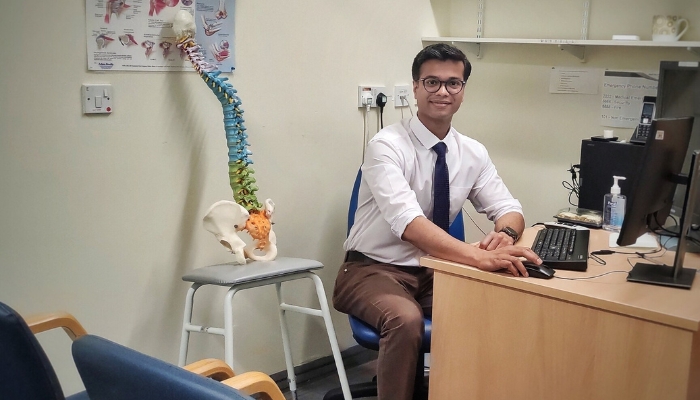
Choosing the right spine surgeon in Mumbai involves understanding your condition, checking the surgeon’s qualifications, reviewing patient feedback, and asking the right questions. Dr Rakesh Dhake shares seven expert tips to help you make a confident and informed decision about your spine health.
Introduction
Caring for your spine isn’t just about treating pain it’s about protecting your ability to live, move, and work without disruption. When something goes wrong with the spine, the effects can be serious, and the choices you make in that moment matter. Getting the right medical advice early and choosing the right specialist are decisions that shape not just recovery, but long-term wellbeing.
In a city like Mumbai, where access to medical services is wide-ranging, patients often find themselves overwhelmed with choices. Between online directories, hospital listings, and word-of-mouth recommendations, knowing who to trust can be difficult. This is especially true when the condition involves the spine a part of the body that demands expertise, experience, and precision.
Dr. Rakesh Dhake, a respected spine surgeon in Mumbai, has guided many patients through this exact moment of uncertainty. Known for his focused approach to diagnosis and treatment, his consultations are structured to help people understand their condition and what options are genuinely necessary. For those searching for the best spine surgeon in Mumbai, Dr. Rakesh Dhake stands out not just for his qualifications but for how he helps patients feel informed and confident in their care plan.
Many patients approach a spine health consultation unsure of what to ask or expect. The process may seem technical, and there’s often concern about surgery being the only recommendation. In truth, understanding what to expect from spine surgery consultation can make the experience more productive and far less stressful. The consultation is not about pushing procedures it’s about outlining the condition clearly, exploring all possible treatment paths, and helping the patient make the next decision with clarity.
Why Choosing the Right Spine Surgeon Matters
Back pain and spine-related conditions often start subtly. A bit of discomfort after sitting too long. A slight tingling in the legs. Maybe stiffness that doesn’t go away. At first, it’s easy to ignore or delay a visit to a specialist. But spine issues rarely resolve on their own. When misdiagnosed or treated late, they can lead to chronic discomfort, loss of mobility, or in some cases, irreversible nerve damage.
Many patients don’t realise that the first step towards recovery is knowing how to choose a spine surgeon who focuses on more than just surgical outcomes. A good specialist will look at the full picture your symptoms, medical history, and daily lifestyle before deciding if surgery is even needed. Without that approach, patients risk undergoing procedures that might not be necessary or, worse, having conditions overlooked until they become harder to manage.
There are signs you need to see a spine specialist that shouldn’t be dismissed. Persistent pain that lasts for weeks, numbness in the limbs, or reduced flexibility are all reasons to consult a professional. These symptoms may seem manageable at first, but they can often signal underlying issues that benefit from early detection. The longer one waits, the more complex the treatment becomes. That’s the impact of delayed spine treatment in urban areas like Mumbai, where busy lifestyles and long wait times often mean patients wait too long before seeking proper care.
Quality care does exist, and many patients are now looking to get evaluations at a trusted spine care clinic in Mumbai. What sets the better clinics apart is not just their technology or setup, but the attention paid to diagnosis and treatment planning. The difference between temporary relief and long-term stability often lies in who you choose to guide your care.
Expert Tip 1: Know When You Need a Spine Specialist
Understanding when to seek help is often the first step towards recovery. Many people live with discomfort for months, hoping it will ease with rest or general treatment. While minor back pain can sometimes settle, persistent or worsening symptoms are rarely something to ignore. Early intervention leads to better outcomes and often prevents the need for more complex procedures later.
Dr. Rakesh Dhake, a trusted name in spinal care, often sees patients who waited too long to get a proper spine health consultation. By the time they arrive, their symptoms have escalated, and their treatment options have narrowed. Knowing the signs you need to see a spine specialist can help prevent this.
Recognising Early Signs That Require Medical Attention
Not every ache requires specialist attention, but certain symptoms should never be brushed aside. If you’re asking, when should I consult a spine surgeon for back pain, the following signs may provide an answer.
- Back pain that doesn’t improve: A dull ache that lingers for weeks, especially if it affects your sleep or daily movement, could indicate a deeper issue involving discs, joints, or nerves.
- Leg numbness or weakness: A sign that a nerve may be compressed. It often starts as tingling but can progress to difficulty lifting the foot or standing comfortably.
- Difficulty walking or maintaining posture: When movement feels restricted or posture becomes painful to hold, it may be more than just muscle fatigue. This can signal spinal instability or narrowing of the spinal canal.
Early assessment from a qualified specialist allows for a clearer diagnosis and a more tailored treatment approach. It also opens the door to non-surgical care if addressed in time.
Expert Tip 2: Check the Surgeon’s Medical Qualifications
Choosing a spine surgeon is a decision that should rest on more than reputation or convenience. While patient reviews and hospital affiliations are useful, they don’t replace the importance of formal training and academic background. Understanding how to evaluate a spine surgeon begins with looking at their medical qualifications and professional affiliations.
Dr. Rakesh Dhake completed his MBBS from the prestigious KEM Hospital, Mumbai, the top choice of medical aspirants across India, known for its exceptional clinical exposure and academic excellence.
He pursued his MS Orthopaedics from LTMGH (Sion Hospital), Mumbai, one of India’s busiest trauma centers, where the massive workload and diverse cases helped him build strong surgical skills and clinical judgment.
He then completed a Senior Clinical Spine Fellowship from the Royal College of Surgeons (RCS), England, at the renowned Queen’s Medical Centre, Nottingham. This was a structured and comprehensive fellowship providing in-depth training in advanced spine surgery.
Dr. Rakesh Dhake has also undergone multiple international spine fellowships in Hungary, Portugal, Kolkata (India), USA, and Indonesia, gaining extensive global exposure to varied surgical techniques and spine-care approaches.
He subsequently worked for two years as a consultant spine surgeon in the NHS, England, further refining his expertise in evidence-based, patient-centered spine care.
Certifications, Degrees and Accreditation
Spine surgery requires precise knowledge that comes from years of structured study. Degrees like MBBS and MS (Orthopaedics) form the base, but advanced roles in spinal care often require further specialisation.Extensive Fellowship Training in Advanced Spine Surgery. Additional fellowships in spine-specific techniques show that the surgeon has undergone accredited spine surgery training, often involving exposure to advanced methods and patient cases across various institutions.
Recognition by medical boards and associations, both national and international, is another indicator of credibility. Board-certified surgeons are regularly assessed for their knowledge, adherence to surgical protocols, and commitment to continuous education. Institutions offering fellowships in spine surgery typically hold strong reputations and may collaborate with global bodies to stay aligned with evolving treatment methods.
Verifying this information is not about checking a box. It’s about being sure that the professional you’re trusting with your spine has taken the time to train beyond the minimum and continues to do so.
Expert Tip 3: Evaluate Experience in Treating Specific Spine Conditions
Not all spine problems are the same. While general training covers a range of conditions, actual experience in handling cases like yours is what builds clinical confidence. Whether it’s a disc issue, spinal stenosis, scoliosis, or nerve compression, choosing a surgeon with direct involvement in similar situations improves the chances of a smooth recovery.
When considering the experience of a spine surgeon, it helps to go beyond titles. The real value lies in understanding their case exposure and how frequently they’ve treated the type of condition you’re facing. That’s the practical way to match expertise with your specific need.
Dr Rakesh Dhake, for example, is known for his work with both common and complex spine cases, offering care tailored to the situation rather than applying a standard path for all.
Understanding the Surgeon’s Case Experience
One of the most straightforward ways to assess suitability is by asking how many spine surgeries has the doctor performed that are similar to yours. This isn’t about volume alone. It’s about relevance. If your condition involves disc herniation, find out how often the surgeon treats that specific issue. For deformities or structural corrections, ask about outcomes over time.
The different types of spine problems each come with their own risks, techniques, and recovery paths. A surgeon who handles a wide range of these cases is often better prepared to adapt the plan if something unexpected arises during or after the procedure.
It’s also reasonable to ask about complication rates and how such situations are managed. A confident and experienced surgeon won’t hesitate to explain how they monitor recovery and what follow-up looks like. These conversations provide insight into their clinical judgment and how it has been shaped by years of handling real-life cases.
Expert Tip 4: Review Patient Outcomes and Testimonials
When you’re narrowing down your choices for a spine specialist, technical qualifications and clinical experience are only part of the picture. Real insight often comes from listening to those who have already been through the process. People who’ve recovered from spine surgery or non-surgical treatments often share practical details about their journey, which can help others make informed decisions.
Looking at the reviews of spine surgeons gives you a sense of what the day-to-day interaction might be like. These reviews often cover aspects that aren’t found in professional bios how clearly the doctor explained the problem, whether the clinic followed up after treatment, and how supported the patient felt during recovery. In cities like Mumbai, where healthcare options are many, these stories often reveal patterns that can guide your decision.
At Zen Spine, patient experiences have played a meaningful role in shaping the way care is delivered. From consultation to recovery, feedback helps refine each part of the process. You can hear directly from patients themselves explore feedback from our Dadar and Malad branches to see how others have experienced care at Zen Spine.
- Zen Spine Dadar – Google Reviews
- Zen Spine Malad – Google Reviews
How to Check Patient Reviews and Reputation
If you want to understand the patient experience with spine surgeon in Mumbai, Google reviews are a useful starting point. Search for the surgeon’s name or the spine care clinic in Mumbai and check what patients are consistently saying. Look for details, not just ratings. A review that describes the doctor’s communication, the outcome of the treatment, and how concerns were handled during recovery is far more valuable than a short statement with a star rating.
When reading through Dr Rakesh Dhake reviews, pay attention to specific mentions of successful treatment, the clarity of explanations given, and how patients felt about the overall interaction. Testimonials that mention improvement in quality of life, timely diagnosis, or personal care often reflect a deeper level of patient satisfaction.
Genuine experiences, especially those written shortly after treatment or during follow-up phases, can help you understand what to expect. They also give you confidence that the surgeon is not only clinically capable but also attentive to each patient’s individual needs.
Expert Tip 5: Ask the Right Questions During Consultation
A consultation is more than a diagnosis. It’s your opportunity to understand what’s happening with your spine and what can be done about it. Whether you’re considering surgery or exploring non-surgical care, asking clear and relevant questions helps ensure you’re making decisions based on facts not assumptions or fear.
Many patients walk into a consultation unsure of what to say or ask. They rely entirely on the doctor’s guidance, which is helpful, but a more effective consultation happens when the patient is prepared. Knowing the questions to ask a spine specialist gives structure to the conversation and often leads to a better understanding of the available options.
What to expect from spine surgery consultation is not just a matter of clinical details. It’s about knowing the approach, understanding the path ahead, and discussing your role in recovery. If you’re looking for clarity on these aspects, you may also find value in our video content that covers consultation tips, surgical planning, and recovery preparation. You can explore our visual guides here: Zen Spine YouTube Channel
What You Should Ask Before Surgery
If surgery is recommended, it’s natural to have questions. This isn’t about challenging the advice but making sure you understand the steps ahead. Here are some questions to ask a doctor before spine operation, especially if this is your first time facing such a procedure.
- What is the recommended procedure? This helps clarify whether the plan is based on imaging, symptoms, or both. It also allows you to ask how the procedure works and why it’s being chosen.
- What are the risks and alternatives? All treatments carry some level of risk. A responsible surgeon will talk about these clearly and mention non-surgical or conservative options if they apply.
- What is the expected recovery timeline? Knowing how long it may take to return to daily activities gives you a realistic view of what to prepare for. It also opens the discussion on rehabilitation and follow-up care.
These tips before spine surgery are not only for preparation. They help build trust. A surgeon who takes time to explain your condition and answer your concerns directly shows that your well-being is their priority.
Expert Tip 6: Understand the Hospital Setup and Facilities
Choosing the right surgeon matters, but so does choosing where the surgery is performed. While consultations often take place in a clinic setting, surgeries are carried out in larger hospitals with the infrastructure to support diagnostics, advanced procedures, and recovery care. The hospital’s setup can influence your treatment journey just as much as the expertise of the specialist.
At Zen Spine, consultations are held at centres in Dadar and Malad, where patients meet Dr Rakesh Dhake to discuss symptoms, diagnosis, and treatment plans. When surgery is advised, patients are referred to one of the affiliated hospitals that offer the required infrastructure and support systems. Understanding this distinction helps patients prepare for both stages of consultation and care delivery.
Choose the Hospital Wisely Based on the Surgeon’s Affiliation
The hospitals a surgeon works with can tell you a lot about the standard of care you’ll receive. Dr Rakesh Dhake is affiliated with several well-established hospitals in Mumbai, including Saifee Hospital Mumbai , Wockhardt Hospital Mumbai Central, S L Raheja These facilities are equipped for spine procedures and offer the systems needed to manage both expected and complex cases.
Technology, Equipment and Support Staff
Before confirming surgery, ask whether the hospital offers minimally invasive techniques, which are often used to reduce healing time and surgical risk. Not all hospitals support these methods, so verifying this in advance can affect your options. It’s also helpful to check if they provide in-house MRI or X-ray services, which speeds up diagnosis and reduces scheduling delays.
Beyond equipment, ask about the presence of a multi-disciplinary support team. These teams often include physiotherapists, rehabilitation experts, pain consultants, and nursing staff who work together to support recovery from the day of surgery through discharge and beyond.
People also frequently ask about the cost of spine surgery in Mumbai. Costs vary based on the hospital selected, the type of surgery, required investigations, room category, and post-operative care. Knowing what’s included in the estimate such as surgeon’s fees, diagnostics, hospital stay, and rehabilitation can help you plan with clarity and avoid last-minute confusion.
The rise of modern spine surgery infrastructure in Mumbai means that more hospitals are now equipped for complex procedures with faster recovery times. Choosing a surgeon who works with such hospitals ensures that both your surgery and recovery are supported by the right tools and people.
Expert Tip 7: Consider Long-term Support and Post-surgical Care
Recovery doesn’t end once the procedure is over. In fact, for many spine patients, the period after surgery is when the real progress begins. Managing discomfort, regaining strength, and preventing recurrence all depend on structured follow-up. The focus should not just be on fixing the issue but also on guiding the patient through full rehabilitation.
During a spine health consultation, it’s important to ask about what happens after the surgery is complete. The care plan should extend into the weeks and months following your discharge, offering a balance of physical and medical support. At Zen Spine Mumbai, this approach is part of the treatment process, not an afterthought.
Aftercare Programmes and Follow-ups
Any responsible spine care facility will have a clear aftercare structure in place. This includes planned reviews, physiotherapy sessions, pain control guidance, and support for returning to work or regular activity. When a patient asks, does the surgeon offer post-operative spine care guidance, the answer should involve more than a single follow-up visit.
Post-surgical spine care often includes exercises to restore movement, therapy to rebuild strength, and medication adjustments as the body heals. Without this, patients can face complications such as muscle weakness, delayed healing, or the return of symptoms. A well-managed aftercare plan addresses these issues early and keeps recovery on track.
The surgeon also has a role in long-term care. A surgeon like Dr Rakesh Dhake, who stays involved beyond the operating theatre, can better monitor how a patient is healing, respond to complications if they arise, and adjust the recovery plan if needed. This connection builds trust and helps patients feel that their care is being managed from start to finish.
Facilities like Zen Spine Mumbai often provide access to a team of professionals who focus specifically on recovery. This ensures that physical therapy, lifestyle adjustments, and medical reviews work in sync. That consistency often improves results and lowers the chance of repeat procedures.
Choosing a surgeon who offers structured post-surgical care is not a bonus it’s part of what makes treatment complete.
FAQs
Q1. How do I know if I need to see a spine surgeon?
Answer: Persistent back pain, numbness in the limbs, loss of balance, or difficulty walking can be indicators that you may need a spine health consultation. These symptoms could point to issues involving nerves or structural elements of the spine.
Q2. What makes a spine surgeon qualified?
Answer: A qualified surgeon usually has formal training in orthopaedics along with focused experience in spine work. Dr Rakesh Dhake completed MBBS from KEM Hospital and MS Orthopaedics from Sion Hospital, followed by a Senior Clinical Spine Fellowship from the Royal College of Surgeons in England. He has additional fellowships across several countries and has worked as a Consultant Spine Surgeon in the NHS.
Q3. How is a spine specialist different from an orthopaedic surgeon?
Answer: A spine specialist focuses exclusively on conditions affecting the spinal column and nervous system. An orthopaedic surgeon may treat a broader range of musculoskeletal issues, but spine specialists usually have deeper training for spinal procedures.
Q4. What should I ask during my consultation with a spine surgeon?
Answer: Focus on questions to ask a spine specialist that clarify the nature of your condition, treatment options, expected recovery, and whether surgery is the only choice. Questions about risk, rehabilitation, and long-term care are also important.
Q5. What types of spine conditions require surgical treatment?
Answer: Common types of spine problems that may require surgery include herniated discs, spinal stenosis, scoliosis, and vertebral fractures. Not all cases are surgical, but advanced or unresponsive conditions sometimes need intervention.
Q6. Is spine surgery always necessary or are there alternatives?
Answer: Surgery is usually considered when other treatments have failed or when symptoms are severe. Many patients benefit from physical therapy, medications, or targeted injections before surgery is recommended.
Q7. How much does spine surgery cost in Mumbai?
Answer: The cost of spine surgery in Mumbai depends on several factors including the procedure type, hospital category, imaging needs, and aftercare. It’s best to get a written estimate that breaks down all the components of the treatment.
Final Thoughts
Making decisions about your spine isn’t something to rush. Taking time to understand your condition, asking the right questions, and reviewing the background of your surgeon can make a lasting difference. This guide was developed with support from Dr Rakesh Dhake, a name recognised by many seeking the best spine surgeon in Mumbai for conditions that require both clarity and care.
Whether you’re at the start of your diagnosis or weighing treatment options, the value of a thorough spine health consultation cannot be overstated. The aim is not to lead you toward a specific procedure, but to help you make informed spine care choices based on facts, experience, and personalised guidance.
If you’re planning to meet a specialist, prepare with the right questions. And remember that the right care starts with the right information.