A sharp, shooting pain that travels from your lower back into your leg is not just a simple strain. It can disturb sleep, make sitting uncomfortable, and turn even short walks into a struggle. Many people ignore this pain in the beginning, but when it continues or worsens, it often points to a slip disc pressing on a nerve.
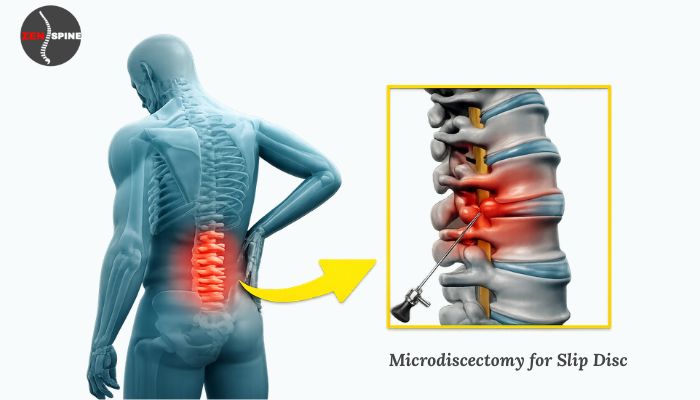
This is where microdiscectomy for slipped disc becomes an effective option. It is a form of minimally invasive surgery that directly removes the pressure on the nerve and helps reduce leg pain quickly.
What Is a Slip Disc and Why Does It Cause Leg Pain?
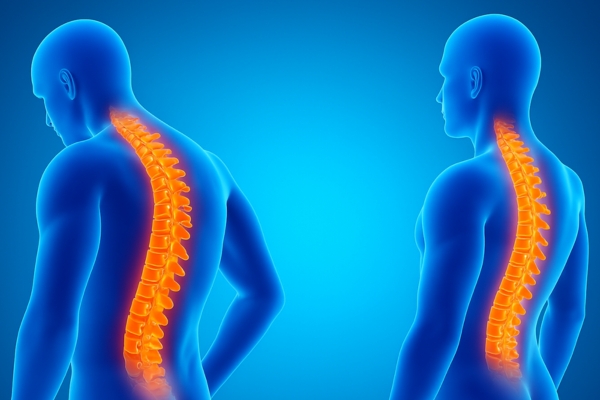
Your spine has small cushion-like discs between the bones. These discs act like shock absorbers and help you move freely. Sometimes, due to strain, ageing, or injury, one of these discs bulges out or slips.
When this happens, the disc can press on a nearby nerve. This pressure is the main reason behind leg pain.
This condition is often linked with sciatica. The nerve affected runs from your lower back to your leg. So when it gets compressed, you may feel:
- Pain travelling from back to leg
- Tingling or numbness in the leg
- Weakness while walking
- Burning sensation in the thigh or calf
These are common nerve compression symptoms in spine, and they should not be ignored.
When Does a Slip Disc Need Surgery?
Many people recover with rest, physiotherapy, and medicines. This is often the first line of care for those searching for how to treat slip disc without surgery.
However, surgery becomes necessary when pain does not improve after several weeks or starts affecting daily life. If the leg feels weak or numb, or if walking becomes difficult, it usually means the nerve is under continuous pressure.
In such cases, delaying treatment can increase discomfort. A more direct solution like microdiscectomy surgery may then be advised.
What Is Microdiscectomy Surgery?
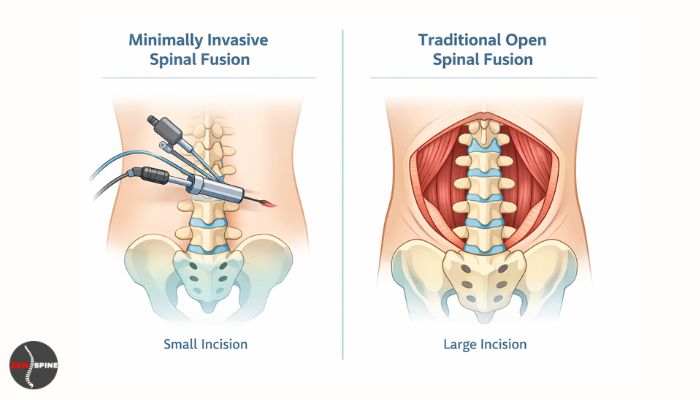
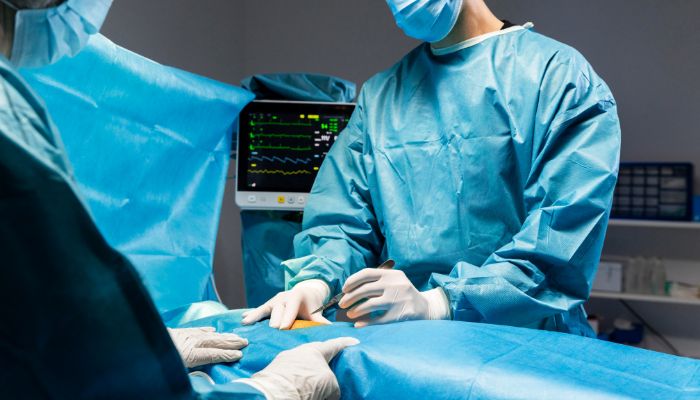
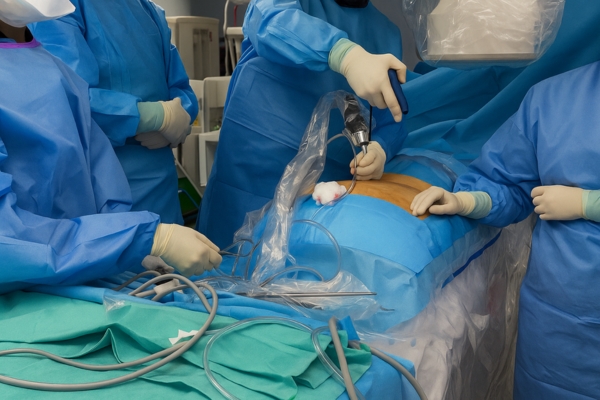
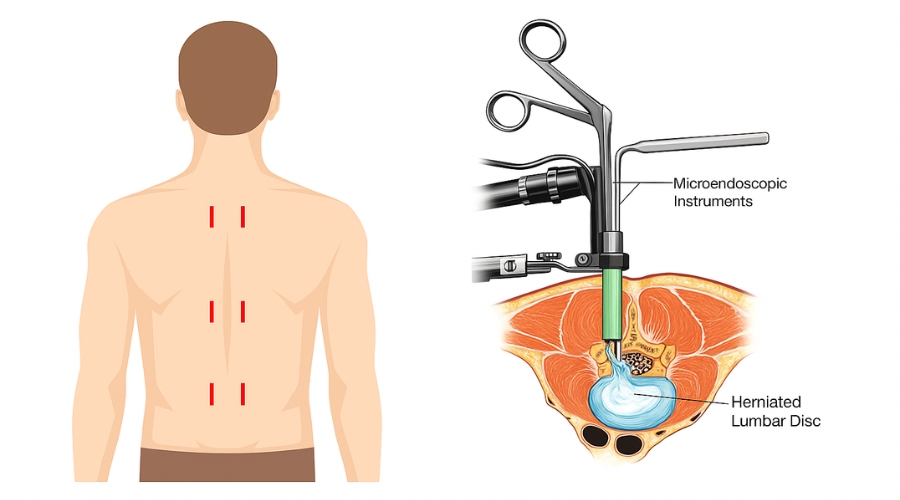
Microdiscectomy is a small and focused procedure that removes the part of the disc pressing on the nerve. The surgeon uses a small incision and special instruments to reach the affected area.
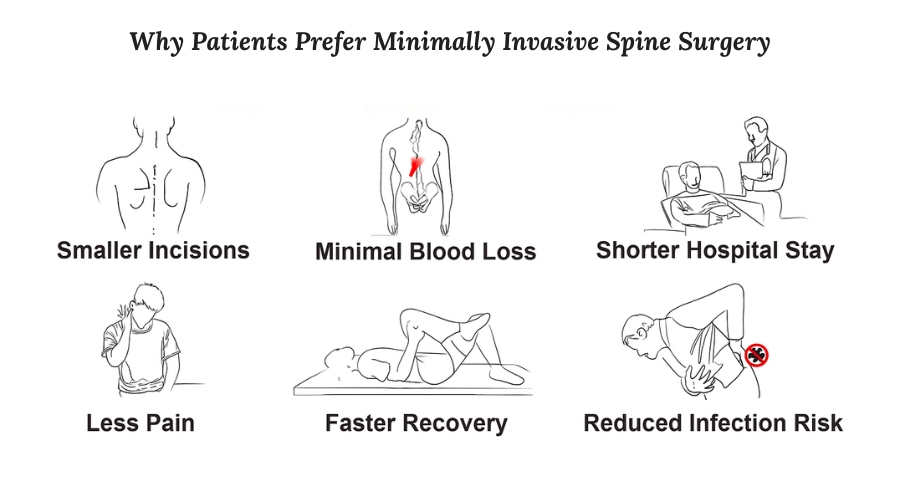
Since it is a minimally invasive spine surgery for herniated disc, it avoids unnecessary damage to muscles and surrounding tissues. This allows faster healing and less discomfort after the procedure.
The aim is simple. Remove the pressure and allow the nerve to recover.
How Microdiscectomy Relieves Leg Pain
The pain in the leg is not actually coming from the leg. It comes from the nerve that starts in the spine. When the disc presses on this nerve, pain travels downwards.
Microdiscectomy removes the part of the disc that is causing this pressure. Once the nerve is free, it starts to heal. This is why many patients feel a noticeable reduction in pain soon after surgery.
Understanding how microdiscectomy relieves leg pain helps patients feel more confident about the procedure. It targets the exact cause rather than only controlling symptoms.
Difference Between Discectomy and Microdiscectomy
A traditional discectomy involves a larger opening and more tissue handling. This can lead to a longer recovery period.
Microdiscectomy uses a much smaller incision and causes less disturbance to surrounding structures. Patients usually experience less pain after surgery and recover faster.
Because of these advantages, many specialists prefer microdiscectomy for suitable cases.
Benefits of Minimally Invasive Spine Surgery
Patients today prefer treatments that help them return to normal life quickly. This is where minimally invasive spine surgery benefits become important.
Some practical advantages include:
- Less pain after surgery
- Smaller scar
- Short hospital stay
- Faster return to walking and daily work
- Lower risk of complications
These benefits make microdiscectomy a reliable choice for many people suffering from persistent leg pain.
How Soon Can You Walk After Microdiscectomy?
Walking is usually possible within a day after surgery. Early movement helps improve circulation and supports healing.
Doctors usually advise starting with short walks and gradually increasing activity. Most patients return to normal routines within a few weeks, depending on their condition.
Knowing how soon you can walk after microdiscectomy helps patients prepare mentally and physically for recovery.
Microdiscectomy Success Rate
Microdiscectomy has shown excellent results, especially in relieving leg pain caused by nerve compression. Most patients experience quick improvement in symptoms.
The microdiscectomy success rate depends on proper diagnosis and timely treatment. When performed by an experienced spine specialist, the results are usually very satisfying.
Can Slip Disc Be Managed Without Surgery?
Non-surgical care works well for many patients. Physiotherapy, posture correction, and medicines can reduce pain and improve mobility.
However, if symptoms continue or worsen, it may indicate that the nerve needs to be relieved directly. In such situations, surgery becomes a more effective option.
The decision should always depend on how the patient feels rather than only looking at scan reports.
Recovery After Microdiscectomy
Recovery is usually smooth when patients follow medical advice. Light activities begin early, while heavy lifting and long sitting are avoided for a few weeks.
Most people return to work and daily life within a short time. Proper care during this phase helps maintain long-term results and prevents future spine problems.
Common Myths About Microdiscectomy
Myth 1: Spine surgery is always risky
Fact: Minimally invasive techniques have made it much safer with fewer complications
Myth 2: Recovery takes many months
Fact: Most patients return to daily routine within weeks
Myth 3: Pain will come back again
Fact: Proper care and exercise reduce chances of recurrence
Myth 4: Bed rest is required for long time
Fact: Early walking helps recovery
Choosing the Right Spine Specialist
The experience of the surgeon plays a major role in the outcome. A skilled doctor can identify the exact cause of pain and treat it effectively.
Dr. Rakesh Dhake, known as the best spine surgeon for microdiscectomy, focuses on patient comfort and precise treatment. His approach supports faster recovery and better long-term results.
When Should You Consult a Spine Doctor?
You should not ignore symptoms like:
- Pain shooting down the leg
- Numbness or tingling
- Weakness in the leg
- Difficulty in walking or standing
Early consultation helps prevent the condition from getting worse and allows timely treatment.
Take the Next Step Towards Pain Relief
Leg pain from a slip disc can slowly take control of your routine, affecting how you sit, walk, and even rest. While some cases settle with basic care, persistent nerve pain often needs a more focused solution.
Microdiscectomy for slip disc offers a clear path to relief by removing the pressure on the nerve and allowing the body to recover faster. As a form of minimally invasive surgery, it supports quicker movement and a smoother return to daily activities.
If your symptoms are not improving, it is the right time to get a proper evaluation. At Zen Spine, patients receive personalised care focused on accurate diagnosis and effective treatment. Consulting an experienced specialist like Dr. Rakesh Dhake can help you understand whether non-surgical care is enough or if a procedure like microdiscectomy is the better option for long-term relief.
Frequently Asked Questions
1. Is microdiscectomy painful?
Most patients feel mild discomfort after surgery, which is much less than the original leg pain.
2. How long does the surgery take?
The procedure usually takes one to two hours.
3. When can I start working again?
Desk work can usually be resumed within two to four weeks.
4. Will the pain return after surgery?
The chances are low if proper care and precautions are followed.
5. Is it safe for older adults?
Yes, if the patient is medically fit and properly evaluated.
6. What is the best treatment for leg pain due to slip disc?
If non-surgical care fails, microdiscectomy is one of the most effective treatments.
7. Can I delay surgery if I have severe symptoms?
Delaying may prolong nerve irritation. A doctor can guide the right timing.