
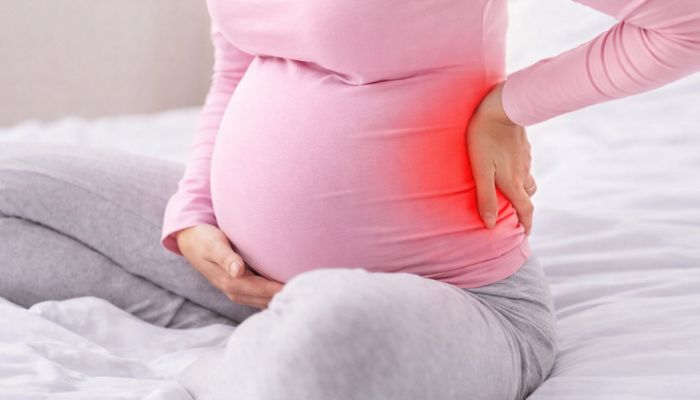
Spine pain is one of the most common health complaints among women, yet it is often underestimated or dismissed. Many women experience discomfort at different stages of life, from adolescence through pregnancy, postnatal recovery, and menopause. The causes vary, ranging from hormonal changes and posture habits to muscle weakness and lifestyle factors.
Understanding why women experience spine pain is important for both prevention and treatment. Simple interventions, lifestyle adjustments, and timely medical care can make a significant difference in maintaining spinal health and overall quality of life.
Dr. Rakesh Dhake, a specialist spine surgeon at Zen Spine, emphasises that addressing the root cause of spine pain is essential rather than only treating symptoms. In this guide, we explore the main reasons women face spine pain and provide practical tips to manage and prevent it.
Why Women Are More Prone to Spine Pain
Several factors make women more susceptible to spine pain than men. Biologically, women have differences in skeletal structure and ligament elasticity. Hormones, particularly oestrogen and relaxin, influence the flexibility of joints and ligaments, making the spine more prone to strain during certain periods of life.
Hormonal fluctuations, especially during the menstrual cycle, can also trigger discomfort. The ligaments supporting the spine may become more relaxed, and some women notice heightened sensitivity or pain during menstruation. These factors, combined with daily life stresses such as prolonged sitting, carrying children, or wearing high heels, contribute to increased spine strain.
Understanding these underlying causes allows women to take proactive measures, such as improving posture, strengthening core muscles, and seeking medical care when necessary.
Why Do Women Get More Spine Pain Than Men?
Women experience spine pain more often due to a combination of biological, hormonal, and lifestyle factors. Hormonal changes, especially oestrogen fluctuations, affect the elasticity and strength of ligaments and cartilage, increasing the risk of strain.
Pregnancy further alters the spine by shifting the body’s centre of gravity and placing additional weight on the lumbar region. Weak core muscles also contribute to instability, making everyday activities, from lifting children to sitting at a desk, more likely to cause back discomfort.
By recognising these factors early, women can adopt preventive measures to reduce the risk of chronic spine issues.
Spine Pain During Pregnancy
Pregnancy is a period of significant physiological changes, many of which directly affect the spine. Weight gain and shifts in posture increase pressure on the lower back. Relaxin, a hormone released during pregnancy, softens ligaments to prepare the body for childbirth, but this also reduces spinal stability.
Lower back pain during pregnancy is extremely common. Women may feel stiffness, sharp pain, or a dull ache in the lumbar region. Activities such as bending, standing for long periods, or lifting objects can worsen discomfort.
Practical tips for managing spine pain during pregnancy:
- Maintain correct posture when standing or sitting.
- Perform gentle stretching and core-strengthening exercises approved for pregnancy.
- Use supportive belts or cushions for additional lumbar support.
- Avoid lifting heavy weights and take frequent breaks during long periods of standing.
How Does Pregnancy Change the Spine?
During pregnancy, the spine undergoes natural adaptations. The lumbar region develops increased curvature, known as lordosis, to balance the growing abdomen. This shift in the centre of gravity places more strain on the back muscles and ligaments.
Dr. Rakesh Dhake recommends gentle physiotherapy and core exercises to support spinal health and reduce discomfort during pregnancy. These exercises help stabilise the spine and prevent long-term pain after delivery.
Postpartum Spine Pain
After delivery, many women continue to experience spine pain. Postpartum back pain can result from weakened core muscles, hormonal shifts, and the demands of lifting and feeding a newborn.
Common reasons for postpartum spine pain include:
- Weak abdominal and back muscles unable to support proper posture.
- Bending and carrying the baby in awkward positions.
- Sleep disruption and prolonged periods of sitting or breastfeeding in non-ergonomic positions.
Recovery tips:
- Gradually strengthen core muscles with safe exercises.
- Practice proper lifting techniques when handling the baby.
- Maintain good posture during feeding and resting.
- Use supportive pillows and mattresses to reduce spinal strain.
Is Back Pain After Delivery Permanent?
For most women, postpartum back pain is temporary and improves with rehabilitation and lifestyle adjustments. Persistent pain may indicate underlying issues, and consulting a spine specialist like Dr. Rakesh Dhake is recommended. Early intervention can prevent chronic problems and support a faster recovery.
Spine Pain and the Menstrual Cycle
Hormonal changes during the menstrual cycle can influence spinal discomfort. Fluctuations in oestrogen and progesterone affect ligament flexibility and muscle sensitivity, sometimes leading to lower back pain or stiffness.
Management strategies:
- Gentle stretching and yoga.
- Heat therapy to relax tight muscles.
- Low-impact exercise to improve circulation and reduce pain.
Women should monitor their symptoms and seek professional advice if pain interferes with daily activities.
Posture-Related Spine Pain in Women
Modern lifestyles, particularly desk jobs and prolonged sitting, contribute to posture-related spine pain in women. Poor ergonomics, hunching over screens, or prolonged mobile use can strain the cervical and lumbar regions of the spine.
Corrective measures:
- Adjust chairs and desks to maintain a neutral spine.
- Take regular breaks to stand and stretch.
- Strengthen postural muscles with exercises targeting the back, shoulders, and core.
- Avoid sitting with legs crossed or slouched positions for long periods.
Good posture habits combined with targeted exercises can significantly reduce spine pain and prevent future issues.
Spine Pain During Menopause
Menopause introduces additional risks for spine pain due to hormonal changes and declining bone density. Reduced oestrogen levels can lead to osteoporosis, weakening vertebrae and increasing the likelihood of chronic back pain.
Other contributing factors include age-related muscle loss and weakened core strength, which can further strain the spine.
Management strategies:
- Engage in weight-bearing exercises and gentle strength training.
- Ensure adequate intake of calcium and vitamin D for bone health.
- Maintain an active lifestyle with regular walking, stretching, or low-impact sports.
- Avoid prolonged inactivity, which can exacerbate stiffness and weakness.
Why Does Spine Pain Increase After Menopause?
The decrease in oestrogen affects bone density, ligament strength, and muscle tone, making the spine more vulnerable. Weak core muscles and reduced physical activity can further contribute to discomfort. Simple lifestyle adjustments, including exercise and nutrition, can help manage pain effectively.
Non-Surgical Spine Care and Prevention Tips
Preventing and managing spine pain does not always require surgery. Non-invasive strategies can improve quality of life and reduce pain intensity.
Key approaches include:
- Strengthening core and back muscles through targeted exercises.
- Maintaining correct posture at work, home, and during daily activities.
- Avoiding prolonged sitting or standing without breaks.
- Using ergonomic furniture and supportive mattresses.
- Practising safe lifting and bending techniques.
- Incorporating anti-inflammatory foods and maintaining a healthy weight.
Regular exercise, posture awareness, and lifestyle modifications can go a long way in protecting the spine.
When to See a Doctor for Spine Pain
While most spine pain in women can be managed with lifestyle changes and exercises, certain signs indicate the need for professional evaluation:
- Persistent or worsening pain that does not improve with rest.
- Numbness, tingling, or weakness in the arms or legs.
- Loss of bladder or bowel control.
- Pain following an injury or trauma.
Early consultation with a specialist like Dr. Rakesh Dhake, recognised as one of the best spine doctors in Mumbai, ensures timely diagnosis and treatment, preventing complications and improving long-term outcomes.
Taking Care of Your Spine at Every Stage of Life
Spine pain in women can arise at any stage, from pregnancy to menopause, but simple steps can make a big difference. Maintaining good posture, strengthening your core, staying active, and practising safe lifting habits all help protect your spine.
If pain persists or affects daily life, consulting a specialist like Dr. Rakesh Dhake at Zen Spine ensures personalised care and guidance. Early attention can prevent long-term issues and keep your spine healthy for years to come.
FAQs
Q1. Is spine pain normal during pregnancy?
Answer: Yes, it is common due to weight gain, postural changes, and ligament softening. Gentle exercise and proper posture can help.
Q2. Can hormones cause chronic back pain?
Answer: Hormonal fluctuations, particularly oestrogen and relaxin, can affect ligament strength and contribute to spine pain over time.
Q3. How does pregnancy change the spine?
Answer: Pregnancy shifts the body’s centre of gravity, increases lumbar curvature, and places extra strain on spinal ligaments and muscles.
Q4. Is back pain after delivery permanent?
Answer: Most postpartum spine pain resolves with rehabilitation, posture correction, and strengthening exercises. Persistent pain requires medical evaluation.
Q5. Why do women get more spine pain than men?
Answer: Women’s spinal structure, hormonal changes, and lifestyle factors like lifting and childcare make them more susceptible.
Q6. Why does spine pain increase after menopause?
Answer: Reduced oestrogen affects bone density and muscle strength, making the spine prone to chronic pain.
Q7. What exercises can reduce spine pain in women?
Answer: Core strengthening, stretching, yoga, and low-impact activities like walking or swimming help relieve and prevent spine pain.