
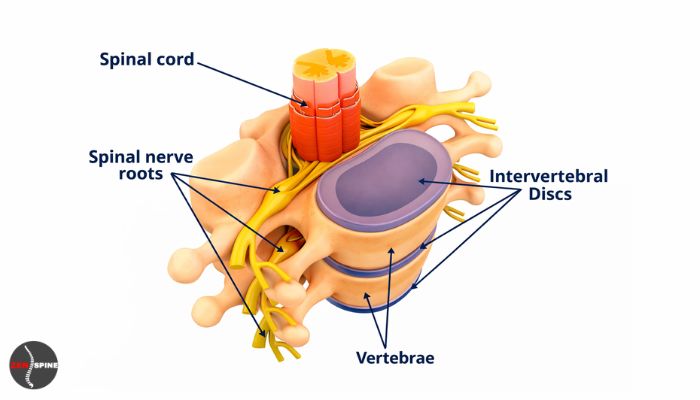
Spinal nerve compression occurs when a nerve in the spine is placed under pressure. This pressure can interfere with how signals travel between the brain and the rest of the body. As a result, a person may notice pain, tingling, numbness, or weakness.
The condition can affect the neck, known as the cervical spine, or the lower back, known as the lumbar spine. In many people, symptoms begin gradually and may improve with rest or physiotherapy. However, when symptoms continue or start affecting daily life, doctors may suggest a procedure called decompression surgery spine to relieve the pressure on the affected nerve.
What is spinal nerve compression?
The spine is made up of bones, soft discs, and nerves. These structures work together to support movement and protect the spinal cord. Nerves branch out from the spine and carry signals that control movement and sensation.
When a nerve becomes compressed, it means that something is pressing against it. This pressure may come from a slipped disc, thickened tissues, or changes in the bones. The condition is often referred to as a compressed nerve or a pinched nerve.
The symptoms depend on where the compression occurs. For example, a problem in the lower back may cause pain that travels down the leg, while compression in the neck may affect the arms and hands.
What causes spinal nerve compression?
One of the most common causes is disc herniation. This happens when the soft inner portion of a disc pushes out and presses on a nearby nerve. Many people know this as a slipped disc.
Ageing also plays a role. As the spine changes over time, discs lose flexibility, and space around the nerves may reduce. In some cases, the spinal canal becomes narrower, increasing spinal cord pressure.
Injury, repeated strain, and poor posture can also contribute. People who sit for long hours or have limited movement during the day may place continuous stress on the spine, especially in the lumbar spine and cervical spine.
In rare situations, spinal nerve compression may also occur due to infections that lead to abscess formation, bony damage, tumours, or spinal fractures. These conditions can increase pressure on the spinal cord or nearby nerves and require timely medical attention.
What are the symptoms?
Symptoms vary depending on the location of the compressed nerve. In the cervical spine, people may feel neck pain along with tingling or weakness in the arms. In the lumbar spine, lower back pain is common and may travel down one leg. Some people also report numbness in the feet or difficulty standing for long periods.
These symptoms may start mildly but can worsen if the pressure on the nerve continues. Persistent symptoms should not be ignored.
When is decompression surgery needed?
Most cases of spinal nerve compression improve with nonsurgical care such as medication and physiotherapy. Doctors usually recommend these options first.
Surgery is considered when symptoms do not improve or begin to affect strength and movement. Increasing weakness, constant numbness, or difficulty in daily activities may indicate that the nerve is under ongoing pressure.
A proper evaluation helps determine whether decompression surgery of the spine is required. Specialists such as Dr. Rakesh Dhake focus on understanding the exact cause before advising any procedure.
What is decompression surgery?
Decompression surgery is performed to relieve pressure on a nerve or the spinal cord. The aim is to create more space within the spine so that the nerve can function normally again.
The procedure focuses on removing the structure that is causing the compression. This may include part of a disc, bone, or surrounding tissue.
With advances in medical techniques, many procedures are now done using minimally invasive methods. These approaches use smaller incisions and may help in faster recovery.
What happens during decompression surgery?
The procedure begins with anaesthesia so that the patient remains comfortable. The surgeon then makes a small incision near the affected area of the spine.
Once the area is accessed, the surgeon carefully removes or trims the part that is pressing on the nerve. This could involve removing a portion of a slipped disc or adjusting nearby bone structures. The goal is to relieve pressure without disturbing surrounding tissues more than necessary.
In some cases, the spine may need additional support. If stability is a concern, the surgeon may perform a procedure to join two vertebrae together.
After the decompression is complete, the incision is closed and the patient is monitored during recovery.
Types of spinal decompression procedures
The exact procedure depends on the cause of the compression. A discectomy focuses on removing the part of a disc that is pressing on a nerve. A laminectomy involves removing a small section of bone to create more space within the spinal canal. In some cases, the opening through which nerves exit the spine is widened, which is known as a foraminotomy.
If the spine needs stability, spinal fusion may be performed. The choice of procedure depends on the patient’s condition and overall spinal health.
Risks and success rate
As with any surgery, decompression procedures carry some risks. These may include infection, bleeding, or nerve injury, although such complications are not common.
The success rate of decompression surgery is generally favourable. Many patients report relief from pain and improvement in movement. Outcomes depend on factors such as how long the nerve has been compressed and the patient’s overall health.
Choosing the best spine surgeon for nerve compression can help reduce risks and improve results.
Spine decompression surgery recovery time
Recovery varies from person to person. In many cases, patients are able to move within a short time after surgery. Pain usually reduces gradually over the following days.
Full recovery may take several weeks to a few months. During this period, patients may be advised to follow physiotherapy and avoid activities that strain the spine.
Following medical advice, maintaining posture, and attending follow-up visits play an important role in recovery.
Understanding the benefits
When performed at the right time, decompression surgery can reduce pain, improve movement, and help restore normal nerve function. Many patients find that daily activities become easier once the pressure on the nerve is relieved.
When should you consult a specialist?
It is advisable to seek medical attention if pain continues for several weeks or if there is numbness, tingling, or weakness in the limbs. Difficulty in walking or performing routine tasks may also indicate the need for evaluation.
At centres like Zen Spine, patients receive structured care based on their symptoms and diagnostic findings. Dr. Rakesh Dhake focuses on identifying whether non-surgical care is sufficient or if decompression surgery spine is required.
Moving towards the right treatment
Spinal nerve compression can affect comfort, movement, and daily routine. Timely diagnosis and appropriate care can help manage symptoms effectively and prevent further problems.
If symptoms continue despite initial treatment, consulting a specialist can help you understand whether you need further care, including decompression surgery. At Zen Spine, Dr. Rakesh Dhake evaluates each case carefully and guides patients towards suitable treatment options based on their condition.
Frequently asked questions
Q1. What causes spinal nerve compression?
Answer: It is commonly caused by disc herniation, ageing changes, injury, or narrowing of the spinal canal. In rare cases, infections that lead to abscess formation, bony damage, tumours, or spinal fractures can also cause pressure on the spinal cord or nearby nerves.
Q2. Can a compressed nerve heal without surgery?
Answer: Yes, many cases improve with rest, medication, and physiotherapy.
Q3. What is decompression surgery spine?
Answer: It is a procedure that relieves pressure on spinal nerves by removing the source of compression.
Q4. What are the risks of spinal decompression surgery?
Answer: Risks include infection, bleeding, and nerve injury, though they are not common.
Q5. How long is spine decompression surgery recovery time?
Answer: Recovery may take a few weeks to a few months depending on the condition and treatment.
Q6. Is surgery always required for a slipped disc?
Answer: No, surgery is only considered when symptoms persist or worsen despite treatment.