
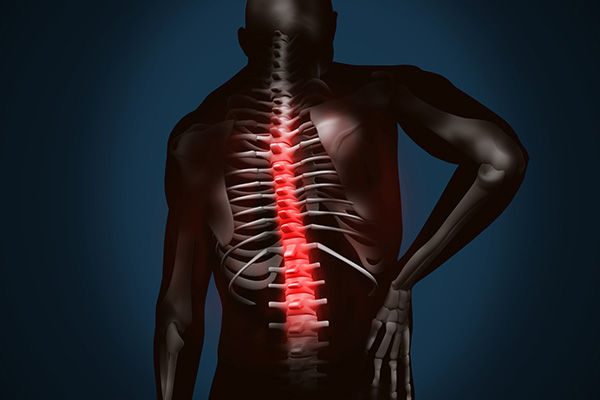
Lower Back Pain Specialist in Mumbai

“Expert lower back pain treatment in Mumbai focused on long-term relief.”

Lower Back Pain Specialist in Mumbai | Dr Rakesh Dhake

Lower back pain is one of the most common musculoskeletal problems affecting adults across all age groups. It can range from mild discomfort to persistent pain that interferes with daily activities, work, and sleep. Causes may include muscle strain, disc problems, age-related degeneration, or nerve compression. If you are looking for a lower back pain specialist in Mumbai, timely assessment by an experienced spine specialist is essential for accurate diagnosis and safe treatment.

At Zen Spine, patients with lower back pain are evaluated and treated using evidence-based, patient-centred approaches. Under the care of Dr. Rakesh Dhake, treatment focuses on identifying the root cause of pain and recommending conservative management wherever possible. Many patients experience significant improvement with early diagnosis and structured non-surgical care.


What Is Lower Back Pain?

Lower back pain refers to pain or discomfort arising from the lumbar spine, which supports the upper body and allows movements such as bending, lifting, and twisting. Pain may originate from muscles, ligaments, intervertebral discs, joints, or spinal nerves.

Lower back pain can be classified based on duration:

Although lower back pain becomes more common with age, it is increasingly seen in younger individuals due to prolonged sitting, poor posture, sedentary lifestyle, and work-related strain.

Common Causes and Risk Factors

Lower back pain often develops due to a combination of factors rather than a single cause. Common contributors include age-related disc degeneration, weak core muscles, improper lifting techniques, obesity, smoking, and previous spinal injuries.

Occupational factors such as long hours of desk work, frequent bending or heavy lifting, and lack of regular physical activity can increase the risk of developing chronic symptoms. Genetic factors may also influence susceptibility to spinal degeneration.

Common Symptoms of Lower Back Pain

Symptom Description
Localised lower back pain Dull or sharp pain in the lumbar region
Stiffness Often worse after rest or prolonged sitting
Pain radiating to legs Suggestive of nerve irritation
Muscle spasms Sudden tightening of back muscles
Reduced mobility Difficulty bending or standing upright

Warning signs that require medical attention

Persistent leg pain, numbness, weakness, loss of bladder or bowel control, or pain following trauma may indicate nerve or spinal involvement. These symptoms should be evaluated promptly by a back pain specialist doctor.

When Should You See a Spine Specialist?

You should consider consulting a spine specialist for back pain if:

Pain persists for more than two to three weeks

Symptoms recur frequently

Pain radiates to the legs or feet

Back pain affects daily activities or sleep

There is associated numbness, tingling, or weakness

Early consultation with a chronic back pain specialist helps confirm the diagnosis, rule out serious conditions, and begin appropriate treatment before symptoms worsen.

Diagnosis and Evaluation

Accurate diagnosis is essential for effective treatment. At Zen Spine, evaluation begins with a detailed discussion of symptoms, lifestyle factors, and medical history, followed by a thorough physical and neurological examination.

Imaging and Tests

Investigation Purpose
X-ray Evaluates spinal alignment and degeneration
MRI scan Assesses discs, nerves, and soft tissues
CT scan Used selectively for detailed bone assessment
Blood tests Rule out infection or inflammatory causes

Imaging findings are always correlated with clinical symptoms to avoid unnecessary investigations or interventions.

Non-Surgical Treatment Options for Lower Back Pain

Most patients with lower back pain improve with non-surgical treatment. Management focuses on relieving pain, restoring mobility, and preventing recurrence.

When Is Surgery Recommended for Lower Back Pain?

Surgery is considered only in a small percentage of patients. It is recommended when:

The decision for surgery is made after careful evaluation, detailed discussion, and consideration of all available options. At Zen Spine, surgery is advised only when it is clearly beneficial and necessary.

Non-surgical treatments may include:

Acute back pain treatment often involves short-term measures, while chronic conditions require a structured, long-term rehabilitation plan.

Why Choose Zen Spine for Lower Back Pain Treatment?

Zen Spine provides comprehensive spine care with a strong focus on patient safety and ethical practice. Under the guidance of Dr. Rakesh Dhake, patients receive personalised treatment plans based on clinical findings and evidence-based protocols. 

Key strengths include:

Extensive experience in managing lumbar spine conditions

Emphasis on non-surgical treatment whenever appropriate

Modern diagnostic and rehabilitation facilities

Clear communication and patient education at every stage

Patients seeking a trusted lower back pain specialist in Mumbai value Zen Spine’s balanced, patient-first approach.

Recovery and Rehabilitation

Recovery varies depending on the cause and severity of pain. Most patients undergoing non-surgical treatment notice gradual improvement over weeks with consistent physiotherapy and lifestyle changes.

Phase Focus
Initial phase Pain control and gentle mobility
Rehabilitation Strengthening and flexibility
Long-term care Posture correction and prevention

Regular follow-ups help monitor progress and adjust treatment as needed.

When to Book a Consultation

Persistent or recurrent lower back pain should not be ignored. Early assessment by a qualified lower back pain specialist in Mumbai allows timely diagnosis and appropriate management.

If you are experiencing symptoms affecting your comfort or mobility, you may consider consulting Dr. Rakesh Dhake at Zen Spine for expert evaluation and personalised spine care.

Frequently Asked Questions

1. When should I see a back pain specialist?

Answer: If pain lasts more than a few weeks or affects daily activities, specialist evaluation is advised.

2. What doctor should I consult for lower back pain?

Answer: A spine specialist or orthopaedic spine doctor is best suited to assess lower back pain.

3. Is lower back pain serious?

Answer: Most cases are manageable, but persistent or worsening symptoms require medical attention.

4. Can lower back pain be treated without surgery?

Answer: Yes. The majority of patients improve with non-surgical treatments.

5. When is surgery required for lower back pain?

Answer: Surgery is required only in selected cases with nerve damage or failed conservative care.

6. How long does lower back pain treatment take?

Answer: Acute pain may resolve within weeks, while chronic conditions require longer-term care.

7. What tests are needed for lower back pain?

Answer: Not all patients need imaging. Tests are advised based on clinical findings.

8. Is physiotherapy effective for lower back pain?

Answer: Yes. Physiotherapy is a key component of both acute and chronic back pain treatment.